


 cn
cn English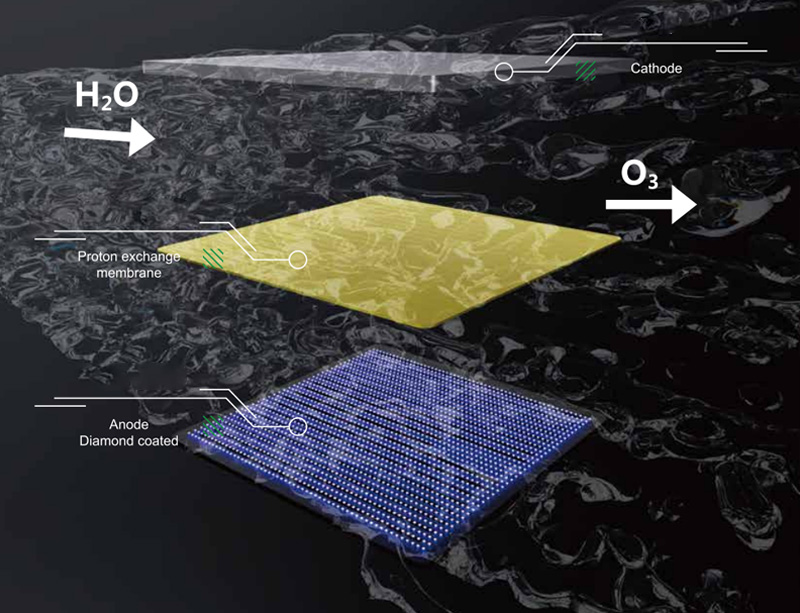
Product Consultation
Your email address will not be published. Required fields are marked *
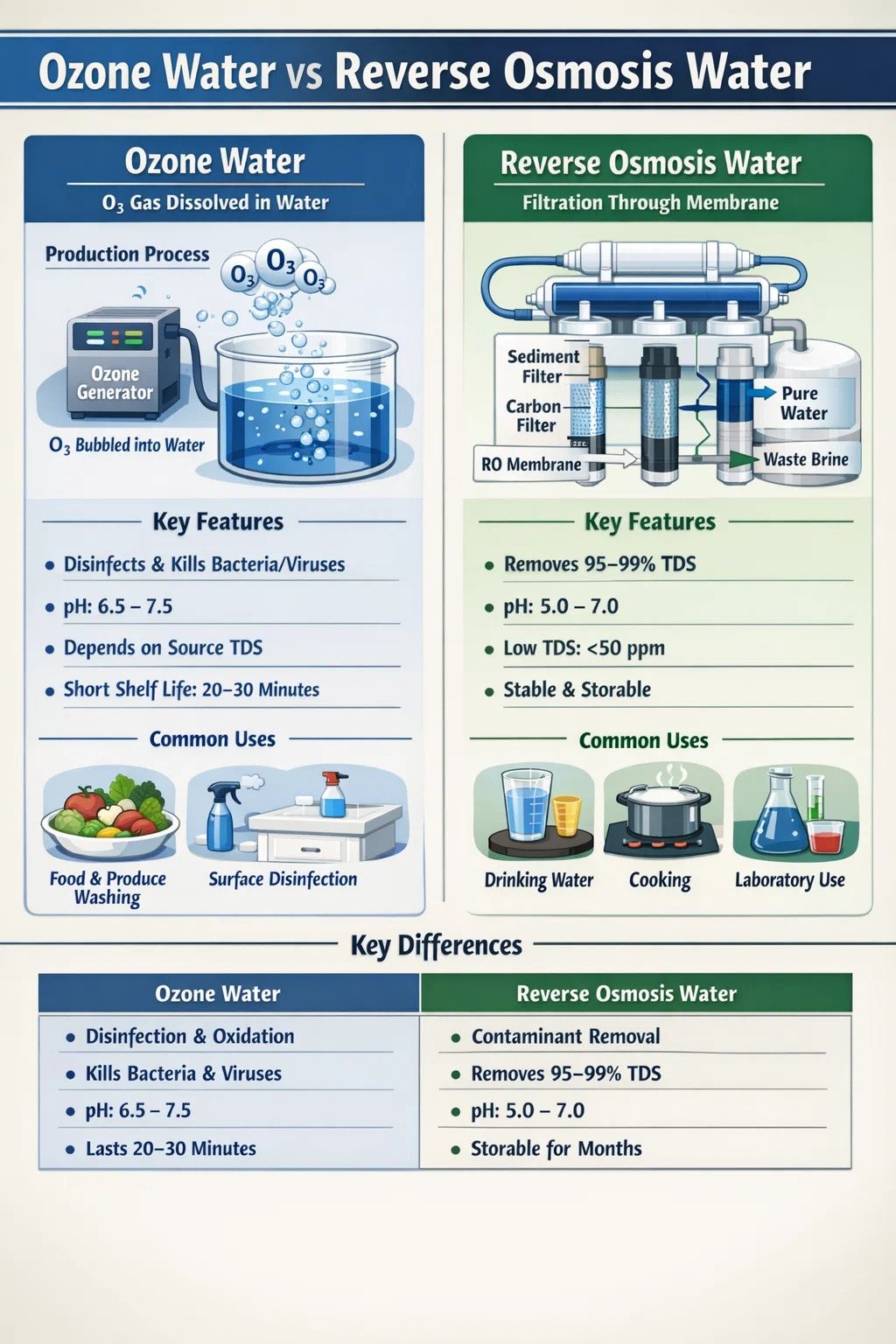
No, ozone water and reverse osmosis water are not the same. They are produced through completely different processes, work on entirely different principles, and serve distinct purposes. Reverse osmosis (RO) water is the result of a physical filtration process that removes dissolved contaminants from water by forcing it through a semi-permeable membrane. Ozone water is regular water — often already filtered — into which ozone gas (O₃) has been deliberately dissolved to create a disinfecting or oxidizing solution. One removes things from water; the other adds something to water. That is the core distinction.
Content
Reverse osmosis is a water purification technology that uses pressure to push water molecules through a semi-permeable membrane with pores small enough to block the passage of dissolved salts, heavy metals, bacteria, viruses, and most organic compounds. The membrane used in residential and commercial RO systems typically has a pore size of approximately 0.0001 microns — far smaller than the 0.1 to 0.5 micron pores of standard ultrafiltration membranes.
The process works as follows: source water is fed into the system under pressure (typically between 40 and 80 psi for residential units). Water molecules pass through the membrane and are collected as purified permeate. Contaminants that cannot pass through the membrane are concentrated in a reject stream — often called brine — that is flushed away. A standard home RO system wastes roughly 3 to 4 gallons of water for every 1 gallon of purified water it produces, though high-efficiency models have improved this ratio significantly.
A typical multi-stage residential RO system includes:
RO water is notably pure. It typically removes 95% to 99% of total dissolved solids (TDS), including lead, arsenic, nitrates, fluoride, chlorine, chromium, and most pharmaceutical residues. The resulting water has a very low TDS — often below 50 parts per million (ppm) — compared to typical municipal tap water, which may range from 100 to 500 ppm or higher depending on the source.
Because RO removes nearly all minerals, including beneficial ones like calcium and magnesium, the water tends to be slightly acidic — typically with a pH between 5.0 and 7.0. Many RO system owners add a remineralization stage after the membrane to restore some mineral content and raise the pH back toward neutral.
Ozone water is produced by dissolving ozone gas (O₃) into water. Ozone is a triatomic form of oxygen — three oxygen atoms bonded together — and it is an extremely powerful oxidizing agent. Its oxidation potential is approximately 2.07 volts, compared to 1.36 volts for chlorine. This makes ozone one of the most effective disinfectants available without leaving chemical residues.
There are two primary methods used to generate ozone for water infusion:
Once generated, ozone gas is bubbled through or injected into water. The resulting ozone water has a very short active life. Ozone is inherently unstable and decomposes back into oxygen (O₂) quickly — with a half-life in clean water at room temperature of roughly 20 to 30 minutes. At higher temperatures or in water with high organic content, decomposition happens even faster. This instability is why ozone water cannot be bottled and stored like RO water — it must be used within minutes of preparation for maximum effectiveness.
The pH of ozone water remains close to neutral — generally between 6.5 and 7.5 — because the addition of ozone itself does not significantly alter the water's hydrogen ion concentration. This is another clear distinction from alkaline water but also from RO water, which as noted tends to be slightly acidic.
| Feature | Ozone Water | Reverse Osmosis Water |
|---|---|---|
| Production Method | Ozone gas dissolved into water | Pressure filtration through semi-permeable membrane |
| Primary Function | Disinfection and oxidation | Contaminant removal and purification |
| Typical pH | 6.5 – 7.5 | 5.0 – 7.0 |
| TDS Level | Depends on source water | Typically under 50 ppm |
| Shelf Life | 20–30 minutes active life | Stable; storable for months |
| Removes Contaminants | Destroys microbes; does not remove dissolved solids | Removes 95–99% of TDS, heavy metals, pathogens |
| Kills Bacteria/Viruses | Yes — rapidly and thoroughly | Yes — by physical exclusion through membrane |
| Removes Minerals | No | Yes — including beneficial calcium and magnesium |
| Common Use | Food washing, surface sanitation, wound care | Drinking water, cooking, laboratory use |
| Leaves Chemical Residues | No — reverts to O₂ | No — purely physical filtration |
Ozone water's primary strength is active microbial destruction. When ozone comes into contact with bacteria, viruses, fungi, or other pathogens, it attacks their cell walls and disrupts their DNA and RNA, destroying them at a molecular level. This happens rapidly — contact times of just 30 seconds to a few minutes at typical concentrations are sufficient to achieve greater than 99.99% inactivation of common pathogens like E. coli, Salmonella, Cryptosporidium, and even many viruses.
RO water, by contrast, is passive. It does not kill microorganisms — it physically excludes them from passing through the membrane. Bacteria and viruses that land on the downstream side of a compromised RO membrane, or that colonize storage tanks after filtration, are not destroyed by RO water. Ozone water applied to those same surfaces or to contaminated produce would actively eliminate the threat.
The U.S. FDA approved ozone as a food contact substance in 2001. Commercial food processors use ozone water to wash fresh produce, reducing surface pathogen loads by 90% to 99% compared to plain water. Washing the same produce with RO water would remove surface dirt and reduce some contamination through dilution, but it would not actively destroy pathogens the way ozone water does.
Ozone water is used in hospitals, food processing facilities, dental clinics, and commercial kitchens for surface disinfection. It kills pathogens on countertops, equipment, and food contact surfaces without leaving behind chemical residues — something chlorine-based disinfectants cannot claim. After ozone decomposes, only pure oxygen remains. RO water has no disinfecting capability whatsoever and would not be an appropriate substitute in any sanitation context.
Some dental practices use ozone water for irrigation of periodontal pockets and root canals, taking advantage of its antimicrobial properties without the toxicity of stronger chemical antiseptics. Wound irrigation with ozone water has also been studied in clinical settings. RO water — though very pure — lacks the active disinfection capability that makes ozone water useful in these clinical contexts.
Reverse osmosis excels at the removal of dissolved chemical contaminants — a category where ozone water offers essentially no benefit. Ozone can oxidize certain organic compounds and some metals (causing them to precipitate and become filterable), but it does not physically remove them from the water. A glass of ozone water made from heavily contaminated tap water still contains whatever dissolved lead, arsenic, nitrates, or fluoride was in the source water.
RO systems are among the most effective residential technologies for removing heavy metals from drinking water. Lead removal rates typically exceed 95% to 99%. Arsenic removal depends on the form — arsenic V is removed at 85% to 95%, while arsenic III requires pre-oxidation (sometimes achieved using ozone) before the RO membrane can effectively remove it. Chromium VI removal rates are similarly high. No amount of ozone water treatment achieves this level of dissolved metal removal.
Nitrates from agricultural runoff are a significant concern in well water across many rural regions of the United States. High nitrate levels pose particular risks to infants. RO systems can reduce nitrate concentrations by 83% to 92%, making them one of the few affordable residential technologies that meaningfully addresses this contamination type. Fluoride removal by RO is typically between 85% and 92%. Ozone has no mechanism for removing either nitrates or fluoride from water.
Emerging contaminants such as pharmaceutical residues, hormones, and microplastics have been detected in municipal water supplies worldwide. RO membranes, due to their extremely small pore size, are highly effective at removing these compounds. Studies have found that RO filtration can remove greater than 90% of microplastics and most pharmaceutical compounds from drinking water. Ozone can degrade some pharmaceutical compounds through oxidation, but it does not physically remove microplastics and does not eliminate all drug residues consistently.
RO water can be produced in advance and stored in a clean tank for hours or days without meaningful degradation in quality. It is stable, portable, and suitable as a primary drinking water source for households with contaminated tap water. Ozone water degrades within 20 to 30 minutes and cannot serve this role reliably. You cannot make a pitcher of ozone water in the morning and drink it safely in the evening — by then, the ozone has long since decomposed, and all that remains is whatever the source water contained in the first place.
In industrial water treatment and large-scale municipal systems, ozone and reverse osmosis are often used in sequence — not as alternatives to each other but as complementary stages. This combined approach is common in bottled water production, semiconductor manufacturing ultrapure water systems, and advanced wastewater reclamation facilities.
A typical integrated treatment sequence might work as follows:
This integration highlights a key point: ozone water and RO water are not competing technologies — they address different problems at different stages of the treatment process. Ozone handles biological threats and oxidizable chemical compounds. RO handles dissolved salts, metals, and particles. Together, they produce water of exceptional purity.
It is worth noting that ozone must be fully decomposed or removed before RO membranes, because ozone can degrade certain membrane materials — particularly cellulose acetate membranes. Thin-film composite (TFC) membranes used in most modern RO systems have better ozone resistance but should still not be exposed to high ozone concentrations for prolonged periods without system design accounting for this.
| Contaminant Type | Ozone Water Effectiveness | Reverse Osmosis Effectiveness |
|---|---|---|
| Bacteria (E. coli, Salmonella) | Excellent — destroys cell walls | Excellent — physical exclusion |
| Viruses | Excellent — disrupts viral RNA/DNA | Good — most are excluded by membrane |
| Cryptosporidium / Giardia | Good — requires sufficient contact time | Excellent — physical exclusion |
| Lead | Poor — does not remove dissolved lead | Excellent — 95–99% removal |
| Arsenic | Partial — oxidizes As III to As V (aids RO) | Good to excellent (As V: 85–95%) |
| Nitrates | Poor — no mechanism for removal | Good — 83–92% removal |
| Fluoride | Poor — no mechanism for removal | Good — 85–92% removal |
| Chlorine / Chloramines | Oxidizes chlorine compounds effectively | Partial — carbon pre-filter handles this stage |
| Pharmaceuticals | Moderate — degrades some by oxidation | Good to excellent — depends on compound |
| Microplastics | Poor — cannot remove particles | Excellent — over 90% removal |
| Taste and Odor Compounds | Good — oxidizes many odor-causing compounds | Good — removes most dissolved organics |
For homeowners deciding between these technologies for household water quality, the practical differences are significant.
A standard under-sink residential RO system costs between $150 and $600 for the unit itself, with installation adding $100 to $300 if a plumber is needed. Ongoing filter replacement costs typically run $50 to $150 per year depending on the system and local water quality. Some whole-house RO systems designed to treat all water entering a home can cost $1,000 to $5,000 or more installed. The water waste associated with RO is a real operational cost — a family of four using a standard RO system may waste 800 to 1,500 gallons of water per month, depending on the system's efficiency ratio.
Consumer-grade ozone water generators for home use range from $30 to $400 for handheld or countertop units. More capable units with higher ozone output and flow-through designs sit at the higher end of this range. There are no filter cartridges to replace, which keeps ongoing costs very low. However, these devices serve a different purpose than RO systems — they are tools for sanitizing food and surfaces, not for producing pure drinking water with reduced dissolved solid content.
If your primary concern is the chemical quality of your drinking water — removing lead, nitrates, fluoride, or other dissolved contaminants — an RO system addresses this directly and ozone water does not. If your primary concern is microbial safety for food preparation and surface hygiene, an ozone water generator is a practical and affordable tool. Many households benefit from both, used for their respective intended purposes.
Ozone water produced at concentrations used in municipal water treatment — typically 0.1 to 1.0 mg/L (0.1 to 1.0 ppm) — is considered safe for drinking. The World Health Organization guideline value for ozone in drinking water is 0.05 mg/L based on a margin of safety approach, though treated water typically reaches the consumer with far less ozone due to rapid decomposition during distribution. Consumer ozone water generators that produce higher concentrations for food washing should not be used to produce drinking water at full output — the water should either be consumed quickly or allowed to off-gas before drinking.
A practical safety note for home users: some ozone generators produce ozone-rich air as a byproduct. The EPA's outdoor air quality standard for ozone is 0.070 ppm over an 8-hour average. Operating ozone generators in confined, poorly ventilated spaces can exceed this threshold and cause respiratory irritation. Good ventilation during use is important.
RO water is chemically very pure but lacks minerals. Long-term consumption of highly demineralized water as a sole hydration source has been studied by the WHO, which noted potential concerns including increased dietary mineral deficiencies if the diet is also mineral-poor, a slightly more corrosive effect in plumbing due to low mineral content, and possible altered taste that some find less palatable. However, for most people with a varied diet, the mineral contribution from water is secondary to dietary sources, and RO water consumed as part of a normal diet presents no documented health risks. Many RO system manufacturers offer optional remineralization filters that add calcium, magnesium, and potassium back into the treated water.
The confusion between ozone water and RO water most often arises from broad marketing language around "purified water" and "clean water." Both products are associated with removing harmful things from water, which leads some consumers to group them together. But the mechanisms, outputs, and use cases are fundamentally different.
Some bottled water companies use both ozone treatment and RO filtration in their production process, which adds to the confusion when these terms appear together on labels. In these cases, the RO stage removes dissolved solids and chemical contaminants, while the ozone stage provides final microbial disinfection before bottling. The ozone ensures the purified RO water does not become recontaminated by bacteria before the bottle is sealed. The finished product in the bottle is essentially RO-purified water from which the ozone has decomposed — leaving behind very pure, low-mineral water.
Understanding that these are complementary rather than equivalent technologies helps consumers make better decisions. Someone who reads that ozone is used to treat water and assumes it means their tap water has been "ozone-purified" in the way RO purifies water is likely to be disappointed by the actual reduction in dissolved contaminants they experience from ozone treatment alone. Conversely, someone who installs an RO system and assumes it will also handle the microbial safety of their produce washing needs to understand that RO water, while very pure, is not an active disinfectant.
Ozone water and reverse osmosis water are not the same, and they are not interchangeable. Ozone water is water used as an active disinfectant; RO water is water from which contaminants have been physically removed. The first works through chemistry — oxidation and microbial destruction. The second works through physics — pressure filtration at the molecular scale.
If you are dealing with chemical contamination in your drinking water — lead, nitrates, arsenic, fluoride — reverse osmosis is the technology you need. If you are looking for a way to sanitize food, clean surfaces, or reduce microbial risk without chemical disinfectants, ozone water is the more relevant tool. For the highest possible water quality in both chemical purity and microbial safety, the two technologies work best when used in sequence rather than as substitutes for each other.

Is ozone water the same as alkaline water?
2026-03-02
Is It Healthy to Drink Ozonated Water? What You Should Know
2026-03-23Your email address will not be published. Required fields are marked *
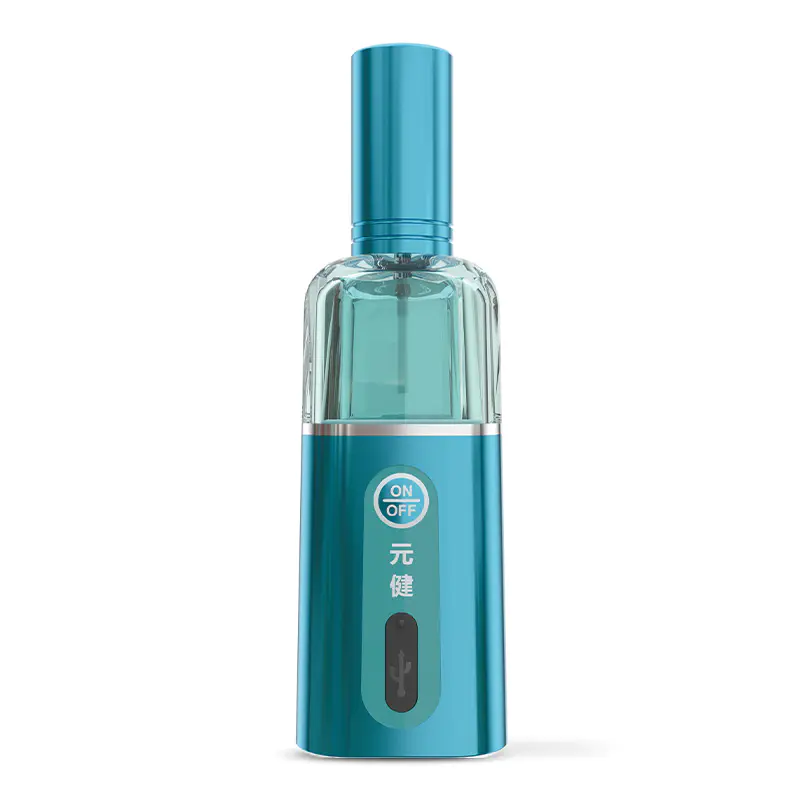
Protecting the oral cavity
Preventing bad breath
Oral recovery
Sterilization and disinfection

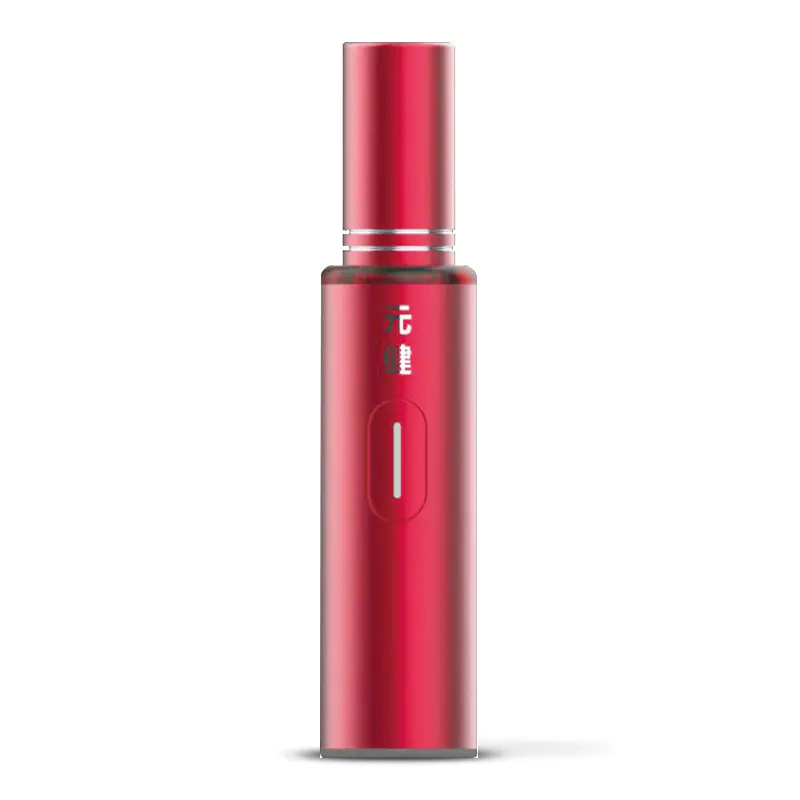
Smooth and clean face
Safe makeup removal
Suitable for sensitive skin
Activate cell activity

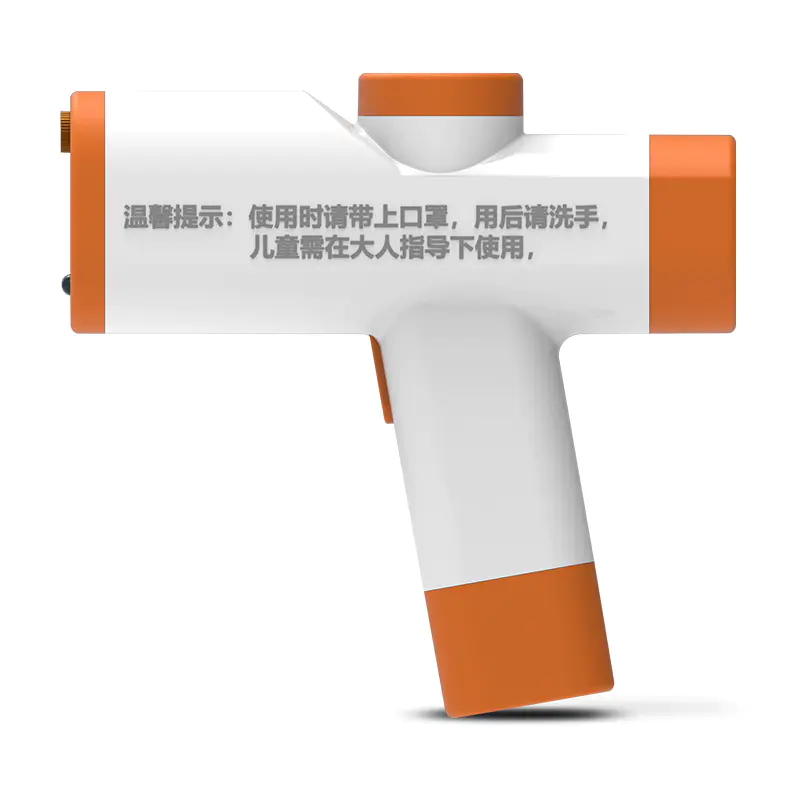
Sterilization
Disinfect
Sterilization
Disinfect

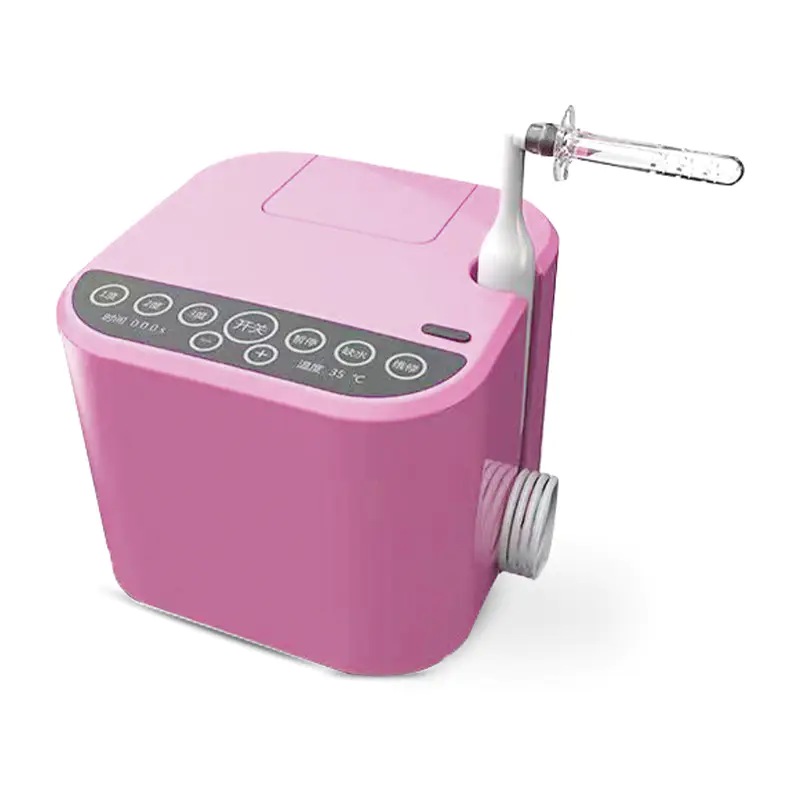
Sterilization and anti-inflammatory
Remove odors
Wound repair
Solve itching

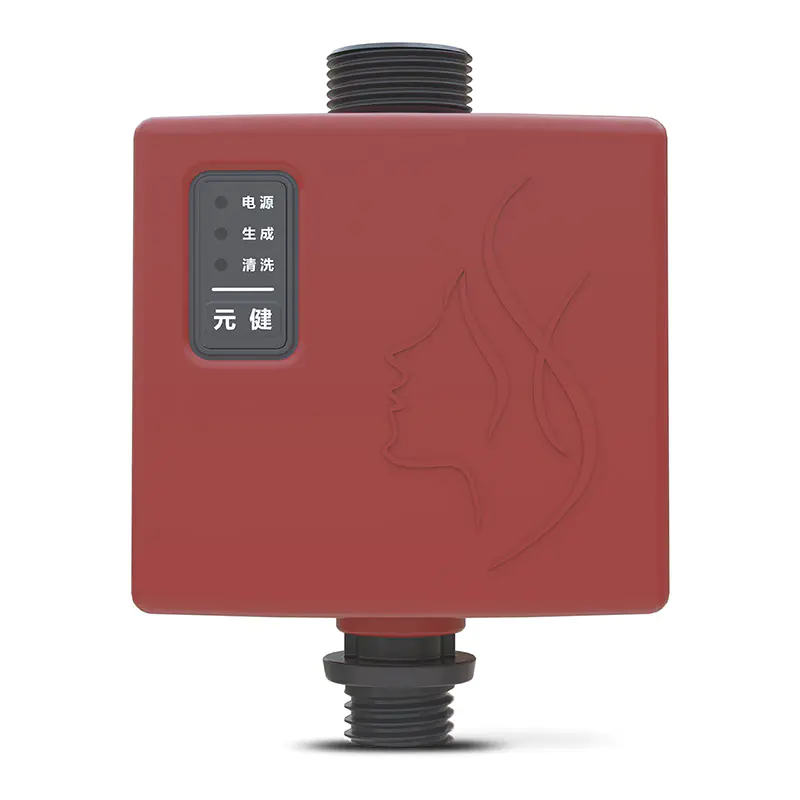
Fix pore issues
Solve itching
Smell remover
Degreasing
Pale yellow gas
Acne care
Suitable for sensitive muscles
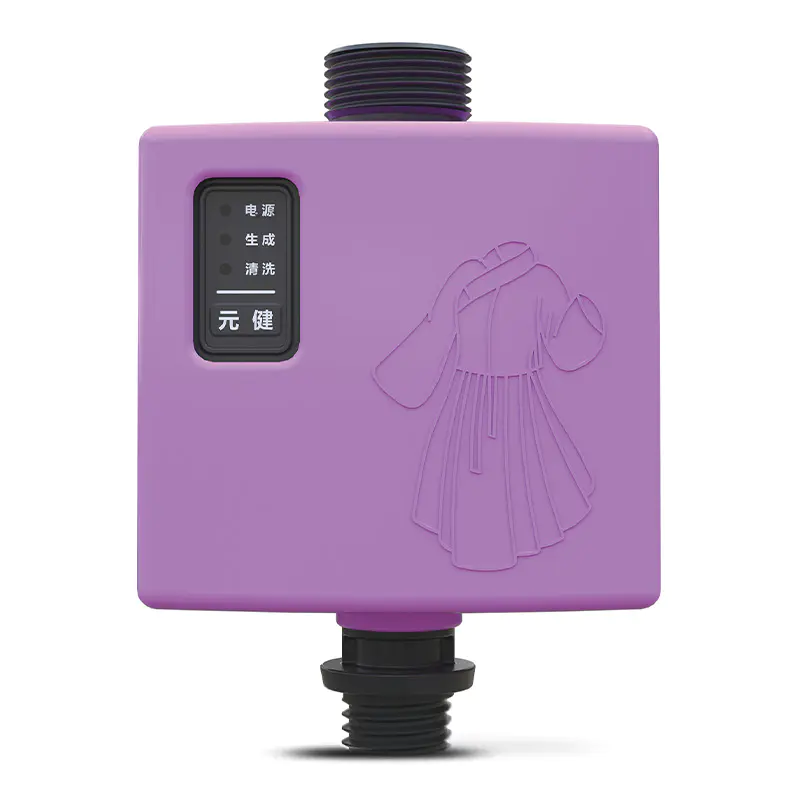
Shorter cycle
Natural flexibility
Effectively decompose oil stains
More Whiter
Extending the lifespan of clothing
Reduce ecological pollution

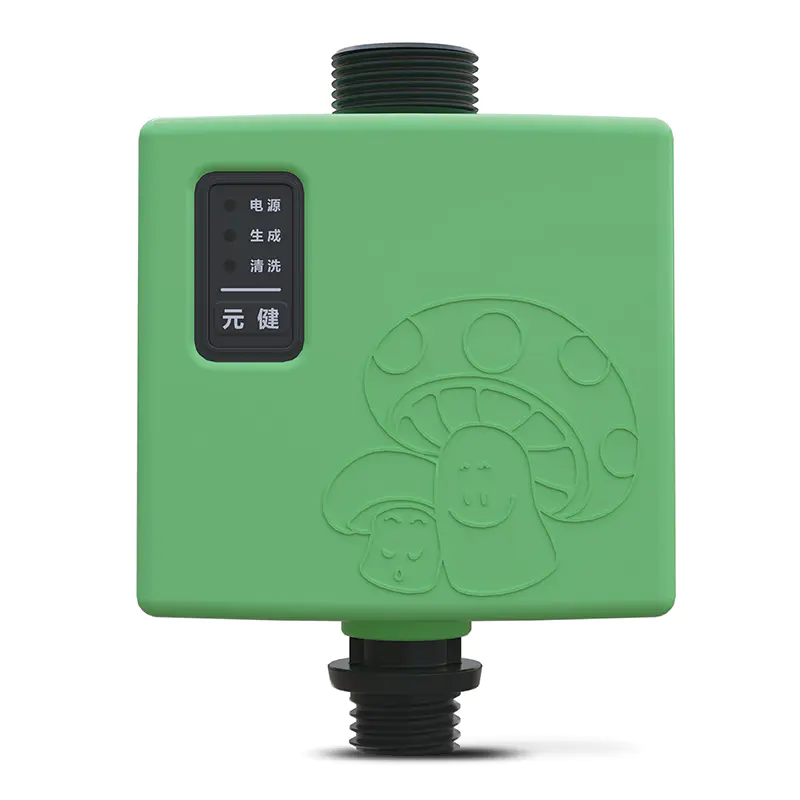
Fruit and vegetable cleaning
Meat cleaning
Grain cleaning
Tableware disinfection
Preservation
Deodorization

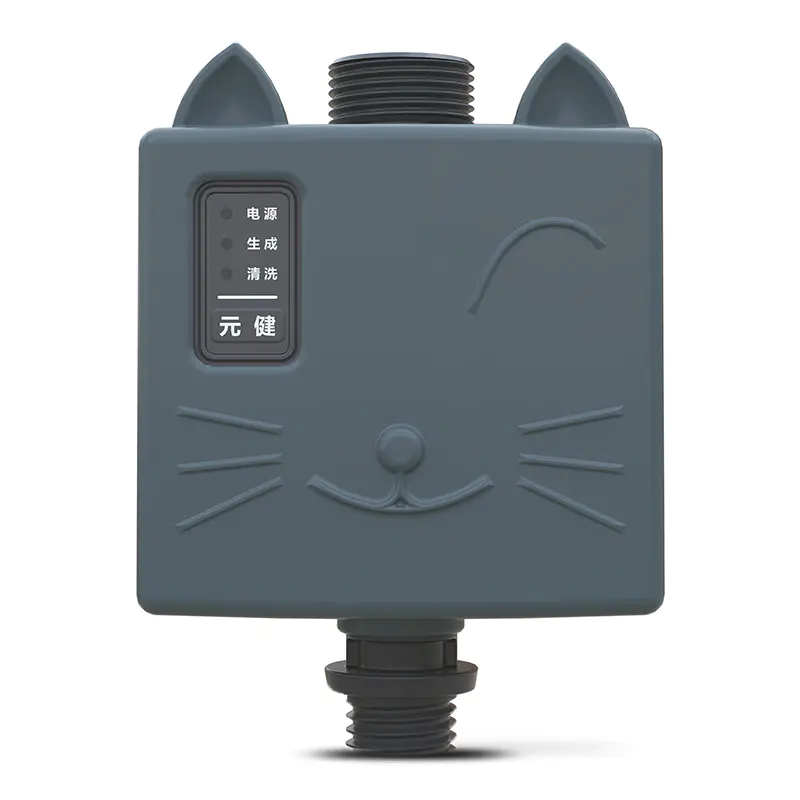
Smell remover
Preventing and alleviating skin diseases
sterilization

If you are interested in our products, please consult us
Copyright © 2023 Ningbo Hengqi Health Technology Co, Ltd. All Rights Reserved wholesale Ozone Water Sprayer Equipment Manufacturers OEM/ODM Ozone Water Purifier Factory