


 cn
cn English
Product Consultation
Your email address will not be published. Required fields are marked *
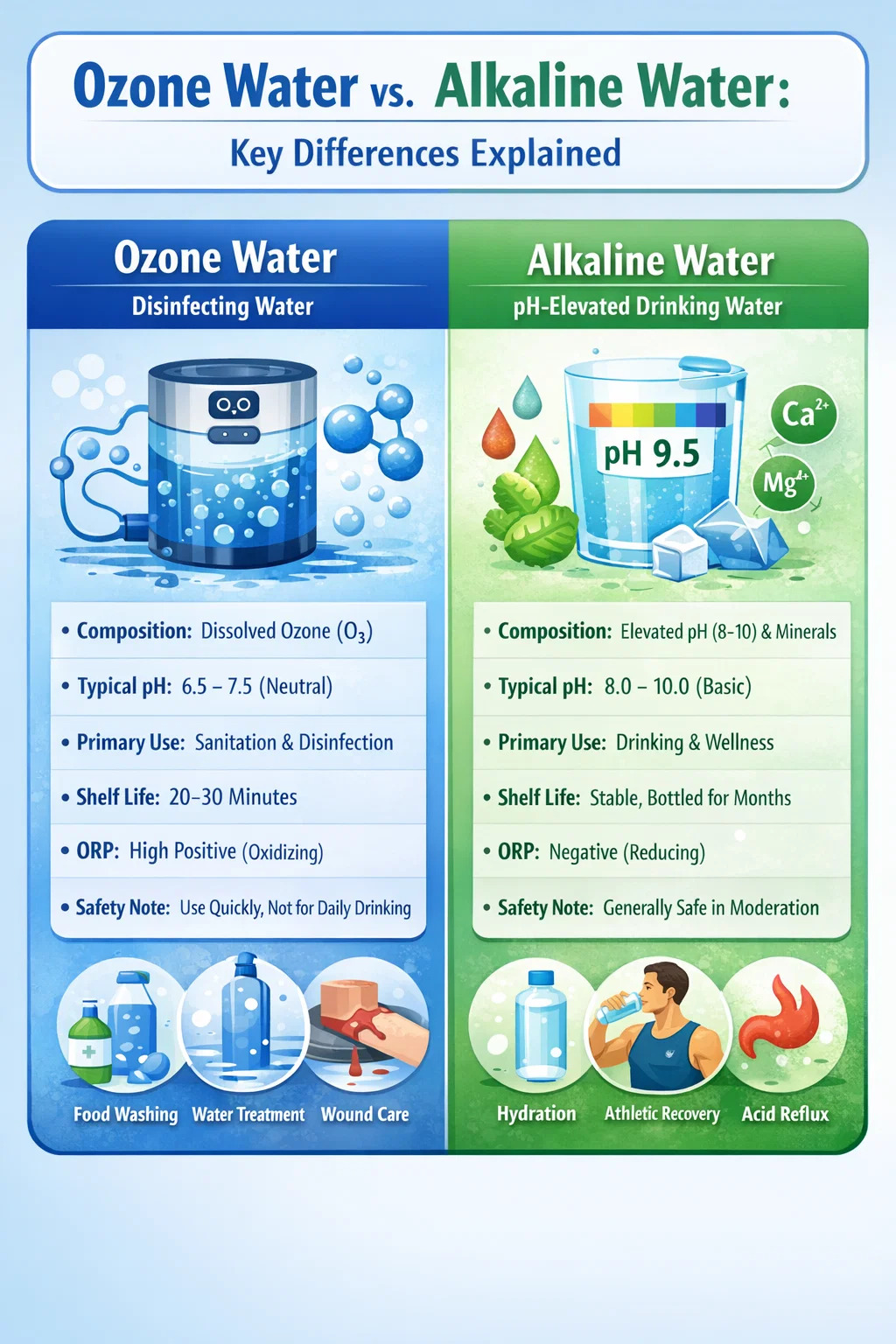
No, ozone water and alkaline water are not the same thing. They differ fundamentally in their chemistry, production methods, health claims, and practical applications. Ozone water is regular water infused with ozone gas (O₃), making it a powerful oxidizing and disinfecting agent. Alkaline water, on the other hand, is water with a pH above 7 — typically between 8 and 10 — achieved either through electrolysis or by adding alkaline minerals. The two products target entirely different problems and work through completely different mechanisms.
Content
Ozone water is produced by dissolving ozone gas into water. Ozone (O₃) is a molecule made up of three oxygen atoms, and it is one of the strongest commercially available oxidizing agents — approximately 1.5 times more powerful than chlorine in terms of disinfection capability. When ozone is infused into water, it creates a solution that actively destroys bacteria, viruses, fungi, and other pathogens by breaking down their cell walls and disrupting their DNA.
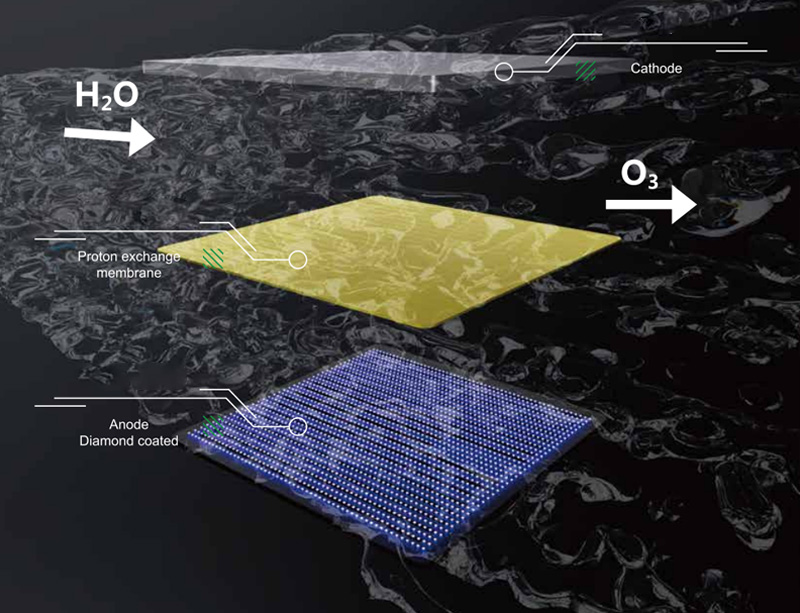
There are two primary methods for generating ozone water:
Once ozone is dissolved in water, the resulting ozone water has a very short shelf life. Ozone is inherently unstable and reverts back to regular oxygen (O₂) within minutes to hours depending on water temperature, pH, and light exposure. At room temperature, the half-life of dissolved ozone in clean water is typically 20 to 30 minutes. This means ozone water must be used quickly after preparation and cannot be stored in a bottle for days like alkaline water.
The pH of ozone water itself remains close to neutral — generally around 6.5 to 7.5 — depending on the source water. The addition of ozone does not significantly raise or lower the pH, which is a key distinction from alkaline water.
Alkaline water is defined by its elevated pH, which sits above 7.0 on the pH scale. Most commercially sold alkaline water products range from pH 8 to pH 10. The higher the pH, the more alkaline (or "basic") the water is. This is achieved through one of several processes:
Unlike ozone water, alkaline water is stable. It can be bottled and stored without losing its properties. Major brands like Essentia (pH 9.5), Evamor (pH 8.8+), and Core Hydration (pH 7.4) have built large retail presences around the concept of alkaline or pH-balanced drinking water.
The defining property of alkaline water is its pH — not its oxidation potential, not its antibacterial effects, and not its ozone content. There is no ozone in alkaline water, and the two products share no meaningful chemical overlap.
| Feature | Ozone Water | Alkaline Water |
|---|---|---|
| Active Component | Dissolved ozone (O₃) | Elevated pH / alkaline minerals |
| Typical pH | 6.5 – 7.5 (near neutral) | 8.0 – 10.0 |
| Primary Use | Disinfection, sanitation, surface cleaning | Drinking, claimed health benefits |
| Shelf Life | 20–30 minutes at room temp | Months to years (bottled) |
| Antibacterial | Yes — strong disinfectant | No significant effect |
| Oxidation-Reduction Potential (ORP) | High positive ORP (oxidizing) | Often negative ORP (reducing) |
| Safe to Drink | Only at very low concentrations | Generally yes, in moderation |
| Common Applications | Food washing, wound care, water treatment | Daily hydration, wellness routines |
Ozone water has a long, well-documented history in industrial and commercial applications. It is not primarily a wellness drink — it is a sanitation tool. Here are its most common and validated uses:
In 2001, the U.S. Food and Drug Administration (FDA) approved ozone as a food contact substance. Ozone water is used commercially to wash fruits and vegetables, reducing surface contamination from E. coli, Salmonella, and Listeria. Studies have shown that ozone water can reduce microbial counts on produce by 90% to 99% compared to plain water washing. Major lettuce and spinach processors use ozonated water as part of their food safety protocols.
Ozone has been used in European municipal water treatment since the early 1900s. Paris began using ozone for water treatment as far back as 1906. In the United States, cities like Los Angeles and Dallas have used ozone water treatment to reduce disinfection byproducts (DBPs) that form when chlorine reacts with organic matter. Ozone does not leave chemical residues, which makes it preferable to chlorine in certain treatment contexts.
Ozone water is used in some dental practices as a rinse to reduce oral bacteria and treat periodontal disease. Clinical studies published in journals such as the Journal of Contemporary Dental Practice have reported that ozonated water used as an irrigation solution can significantly reduce bacterial counts in periodontal pockets. Some wound care applications also use ozone water due to its antimicrobial properties without the chemical harshness of bleach or iodine solutions.
Commercial laundry systems, especially in hospitals and hotels, use ozone water to disinfect linens at lower temperatures than hot water washing — reducing energy costs while maintaining hygiene standards. Surface disinfection with ozone water is also used in food processing facilities, where chemical sanitizers would leave unwanted residues on equipment.
In recent years, consumer-grade ozone water generators have been marketed with claims that ozonated water can improve digestion, detoxify the body, boost immune function, and even slow aging. These claims are largely unsupported by rigorous clinical evidence and should be evaluated carefully.
The core issue is that ozone in water reverts to oxygen within minutes of preparation. By the time someone drinks a glass of ozonated water from a home device, most of the ozone has already decomposed. The ozone concentration that reaches the stomach is likely negligible. For the ozone to have biological effects internally, concentrations and delivery would need to be far more controlled than any household device provides.
Furthermore, the EPA classifies ozone as a lung irritant at concentrations above 0.07 ppm in air. While dissolved ozone in water behaves differently from airborne ozone, caution is still warranted when using high-concentration ozone water devices without proper ventilation, as off-gassing can occur during use.
Where ozone water does show genuine, reproducible benefits is in external applications — surface sanitation, produce washing, and wound irrigation — not internal consumption for wellness purposes.
Alkaline water has been marketed aggressively over the past decade with claims ranging from improved hydration and better athletic performance to cancer prevention and anti-aging effects. The scientific picture is nuanced.
A 2016 study published in the Journal of the International Society of Sports Nutrition found that consuming alkaline water after exercise was associated with a more rapid rehydration response compared to regular water, with measurable differences in blood viscosity. This remains one of the more credible studies supporting a specific benefit of alkaline water.
Some research has also suggested that alkaline water with a pH of 8.8 may help deactivate pepsin, the enzyme responsible for acid reflux. A laboratory study published in the Annals of Otology, Rhinology and Laryngology in 2012 found that water at pH 8.8 permanently denatured pepsin and had buffering capacity against stomach acid. However, this was an in vitro study, and its clinical relevance for actual acid reflux sufferers remains uncertain.
The human body tightly regulates blood pH within a very narrow range of 7.35 to 7.45. When alkaline water enters the stomach, gastric acid (pH around 1.5 to 3.5) quickly neutralizes it. The idea that drinking alkaline water "alkalizes" the body or changes blood pH is physiologically inaccurate for a healthy person. The kidneys and lungs handle pH homeostasis with remarkable precision, and a bottle of pH 9.5 water is not going to meaningfully shift that balance.
This does not mean alkaline water is useless — it may still offer some local benefits in the esophagus or upper digestive tract before full gastric neutralization, but broad systemic claims about alkalizing the body are not supported by physiology.
One of the most meaningful technical differences between ozone water and alkaline water is their Oxidation-Reduction Potential, or ORP. ORP measures a substance's tendency to either gain electrons (oxidize) or donate electrons (reduce), expressed in millivolts (mV).
This fundamental ORP difference illustrates that ozone water and alkaline water are not just different in degree — they work in opposite electrochemical directions. One oxidizes (ozone water); the other reduces (alkaline ionized water). Confusing or conflating the two is a significant misunderstanding of their chemistry.
Ozone water is generally safe for food contact and surface disinfection at approved concentrations. For drinking, the World Health Organization (WHO) has set a guideline value of 0.05 mg/L (50 ppb) for ozone in drinking water. Consumer ozone water generators that produce water well above this concentration for drinking purposes raise safety questions that have not been thoroughly studied in long-term human trials.
High concentrations of ozone water applied to skin can cause irritation. When using ozone water devices indoors, ventilation is important to prevent ozone off-gassing from reaching levels that could irritate the respiratory tract.
Alkaline water is broadly considered safe for regular consumption by healthy adults. However, excessive consumption of very high pH water (above pH 9 or 10) over extended periods may potentially interfere with stomach acid production, impairing protein digestion and reducing the stomach's natural barrier against pathogens. People taking medications that require specific gastric pH environments should consult their physician before regularly consuming high-pH alkaline water.
There is also the concern of metabolic alkalosis — a condition where blood pH rises too high — though this is extremely rare from drinking alkaline water alone, given the body's robust buffering mechanisms. It becomes more relevant in cases of very high intake combined with other alkalizing agents or supplements.
The answer depends entirely on what you are trying to accomplish. They solve different problems and should not be treated as interchangeable.
From a cost perspective, home alkaline water ionizers range from a few hundred to several thousand dollars, while bottled alkaline water typically costs between $1.50 and $4.00 per liter. Consumer ozone water generators for household use range from $50 to $400, with commercial-grade systems running far higher.
Several misconceptions contribute to people conflating ozone water and alkaline water:
Ozone water and alkaline water are distinct products with different chemistries, different applications, and different evidence bases. Ozone water is a powerful, short-lived disinfectant best used for sanitation tasks — washing food, treating surfaces, and water purification. Alkaline water is a pH-elevated drinking water product with modest and still-debated benefits related to hydration and acid reflux management.
Neither product is a cure-all. Both have legitimate, well-defined use cases where they genuinely outperform plain tap water. But they are not substitutes for each other, they do not share the same mechanism of action, and they are not interchangeable based on a general belief that "treated water is better." Understanding the difference allows you to make a practical, evidence-informed decision rather than a marketing-driven one.
Your email address will not be published. Required fields are marked *
Protecting the oral cavity
Preventing bad breath
Oral recovery
Sterilization and disinfection

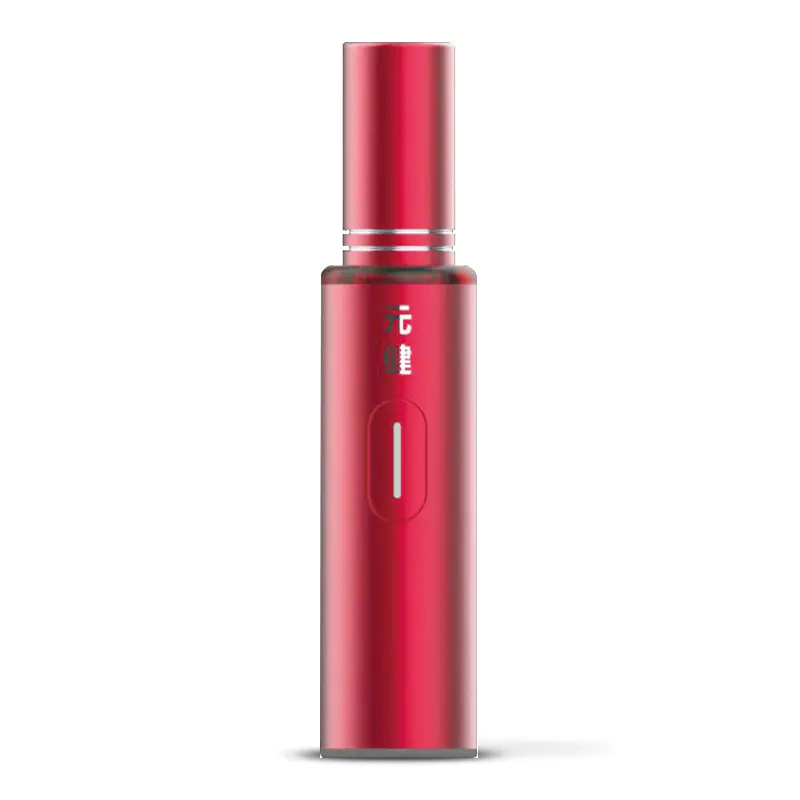
Smooth and clean face
Safe makeup removal
Suitable for sensitive skin
Activate cell activity

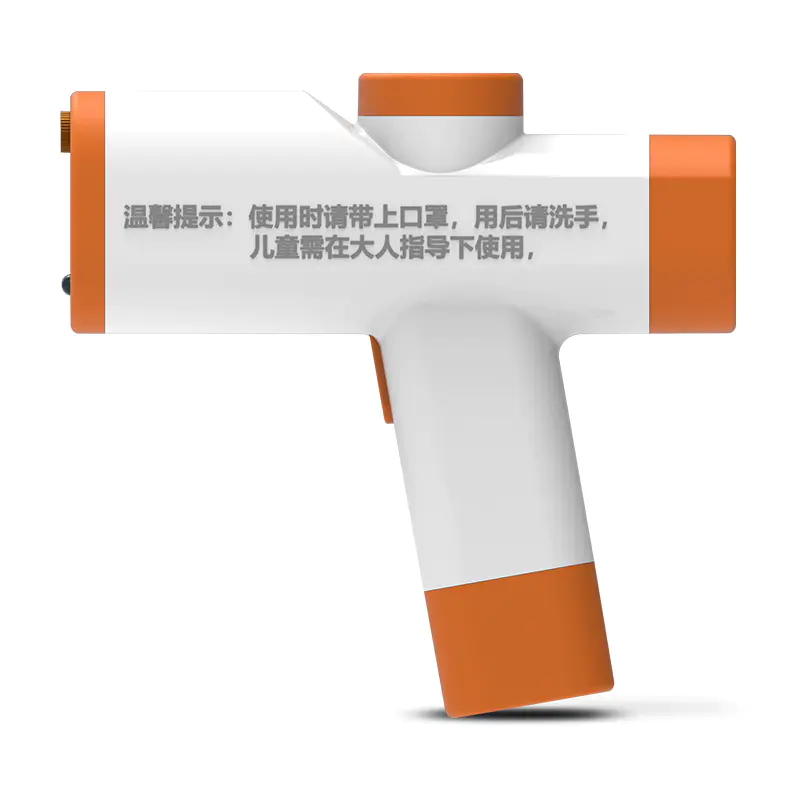
Sterilization
Disinfect
Sterilization
Disinfect

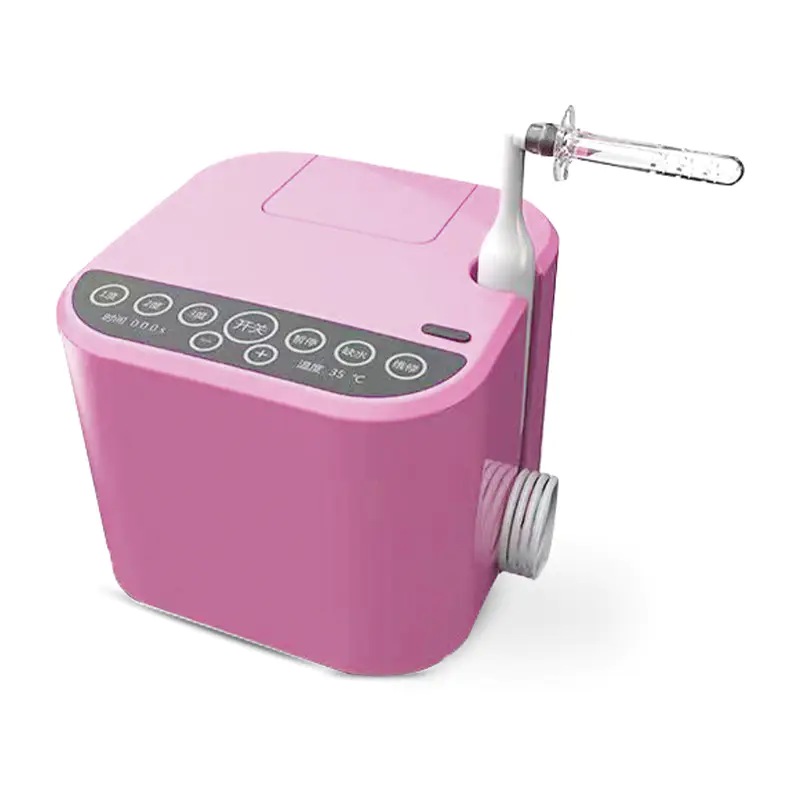
Sterilization and anti-inflammatory
Remove odors
Wound repair
Solve itching

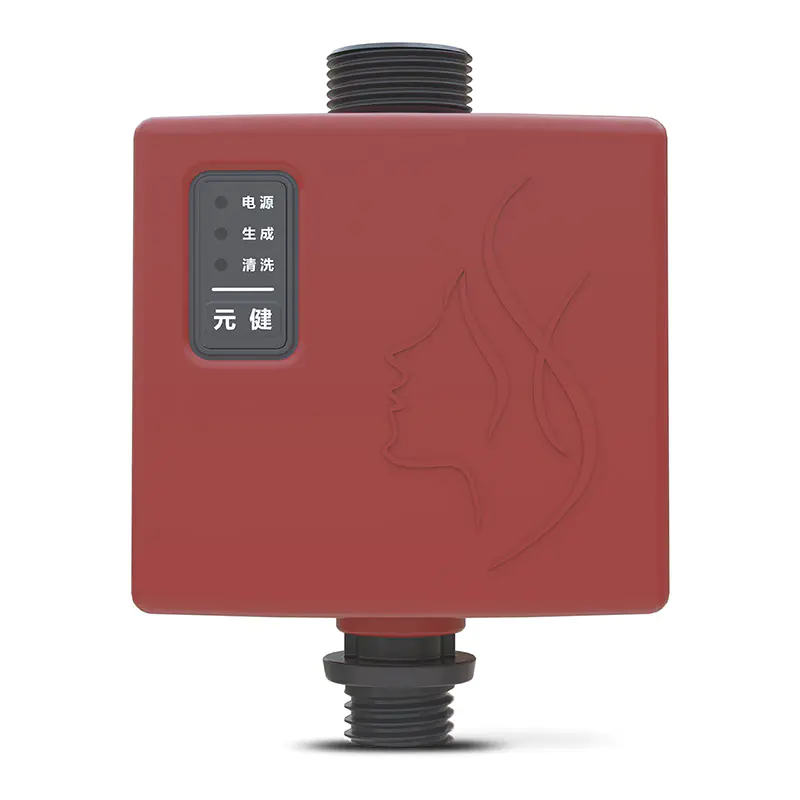
Fix pore issues
Solve itching
Smell remover
Degreasing
Pale yellow gas
Acne care
Suitable for sensitive muscles
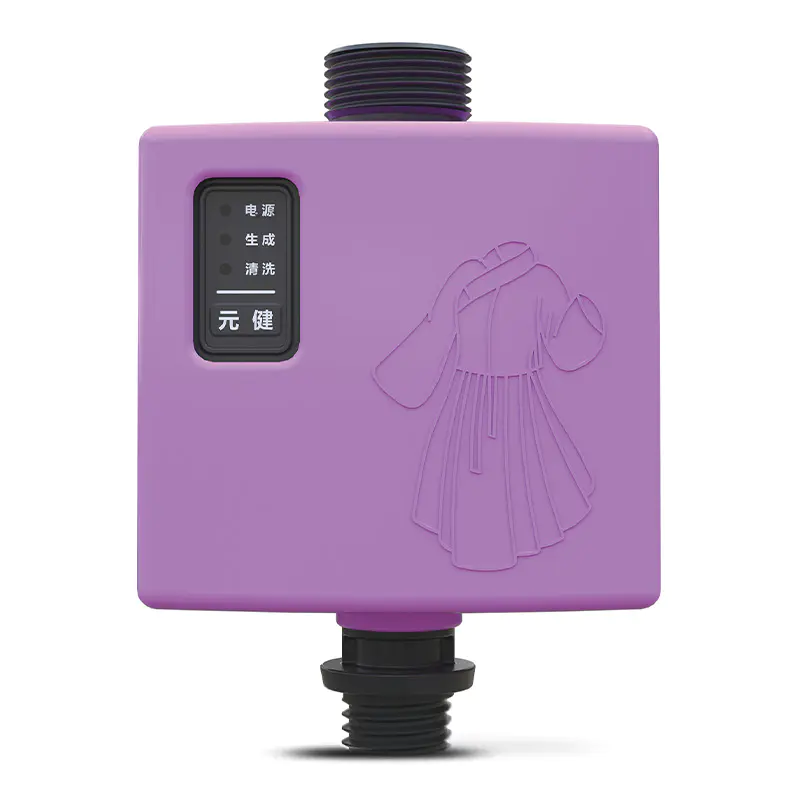
Shorter cycle
Natural flexibility
Effectively decompose oil stains
More Whiter
Extending the lifespan of clothing
Reduce ecological pollution

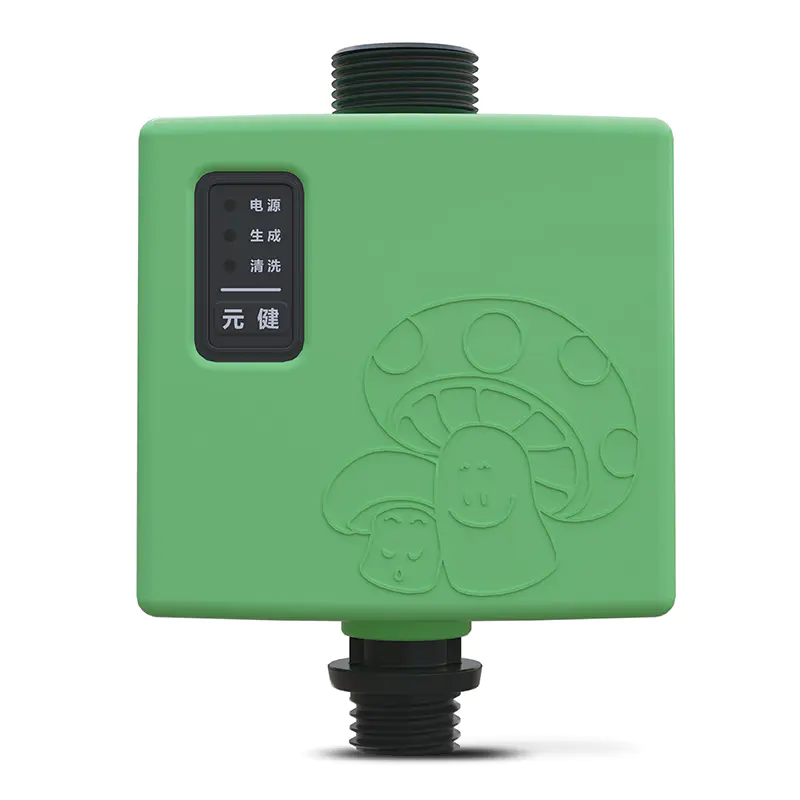
Fruit and vegetable cleaning
Meat cleaning
Grain cleaning
Tableware disinfection
Preservation
Deodorization

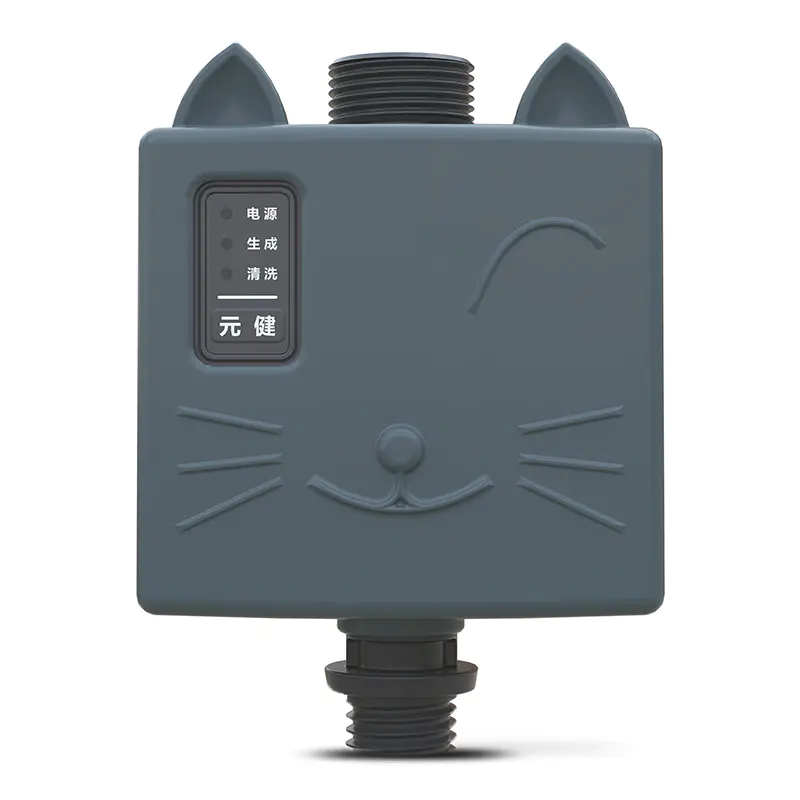
Smell remover
Preventing and alleviating skin diseases
sterilization

If you are interested in our products, please consult us
Copyright © 2023 Ningbo Hengqi Health Technology Co, Ltd. All Rights Reserved wholesale Ozone Water Sprayer Equipment Manufacturers OEM/ODM Ozone Water Purifier Factory