


 cn
cn English
Product Consultation
Your email address will not be published. Required fields are marked *
Content
Drinking ozonated water is considered safe for most healthy adults when it is properly prepared and consumed fresh. Ozone (O₃) is a powerful oxidizing agent that kills bacteria, viruses, and other pathogens far more effectively than chlorine — up to 3,000 times faster, according to data from the U.S. Environmental Protection Agency. That makes ozone water genuinely useful as a disinfection tool. However, the health benefits of drinking it go beyond simple purification, and understanding what the science actually supports — versus what marketers claim — is essential before you make it a regular habit.
Ozone water, also called ozonated water, is produced by bubbling ozone gas through water using an ozone generator. The ozone dissolves into the water temporarily, breaking down within minutes to hours into plain oxygen, which leaves no chemical residue. This self-neutralizing property is one of the reasons ozone water appeals to people who want clean water without the taste or potential byproducts of chlorine treatment.
That said, ozone water is not a cure for disease, and consuming it in excessive quantities or in improperly ozonated concentrations can irritate your respiratory tract and digestive system. The key is understanding the dose, context, and purpose.
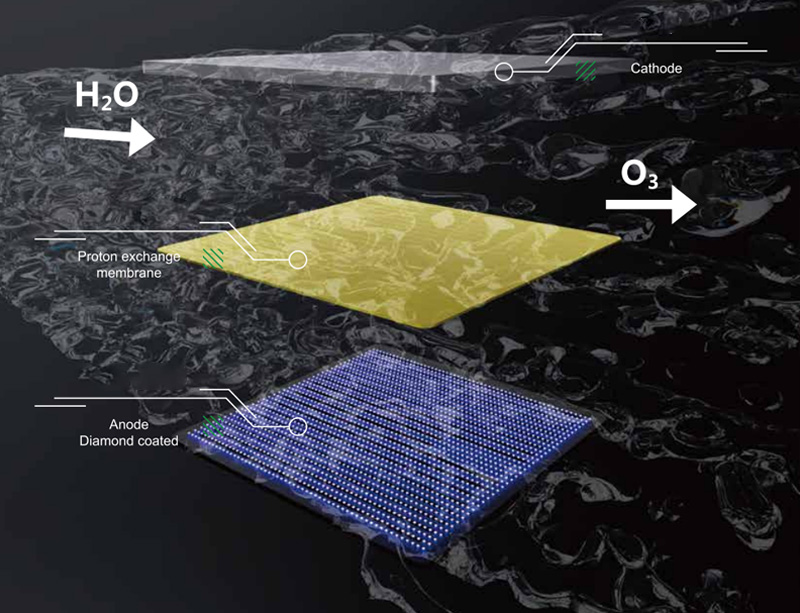
Ozone is a molecule made up of three oxygen atoms (O₃). It occurs naturally in the Earth's upper atmosphere where it blocks ultraviolet radiation, and it also forms at ground level during thunderstorms and in areas with high air pollution. In water treatment, ozone is artificially generated using either corona discharge or ultraviolet light methods, then injected directly into water.
When ozone gas is dissolved in water, the resulting ozone water has an unusually high oxidation potential. This means it can break apart the cell walls of microorganisms, oxidize heavy metals to make them easier to filter out, and neutralize certain organic compounds. The World Health Organization has acknowledged ozone as one of the most effective water disinfectants available, and it has been used in municipal water treatment facilities in Europe since the early 1900s.
Home ozone generators vary widely in quality and output. Some produce water with ozone concentrations between 0.1 and 4 mg/L, while commercial and medical-grade devices can go much higher. The U.S. Food and Drug Administration permits ozone in bottled water at concentrations up to 0.4 mg/L when used as an antimicrobial agent.
Ozone is inherently unstable. At room temperature, ozone dissolved in water has a half-life of approximately 20 to 30 minutes, depending on water temperature, pH, and the presence of organic matter. In warm water or alkaline conditions, it breaks down even faster. This means ozonated water should ideally be consumed within 15 to 30 minutes of preparation to retain any active ozone content. Refrigeration slows the breakdown, extending the effective window to a few hours.
Scientific research on the health effects of ozone water has grown considerably over the past two decades. While the evidence base is still developing compared to more established interventions, several areas show consistent and credible findings.
The most well-established benefit of ozone water is its ability to eliminate pathogens. Studies have shown that ozone water effectively kills E. coli, Salmonella, Listeria, Cryptosporidium, Giardia, and even certain viruses including norovirus. A 2013 study published in the journal Food Control found that ozone water reduced E. coli O157:H7 contamination on fresh produce by more than 99.9% within a short exposure period.
For drinking purposes, this means ozone water that has been properly treated is cleaner in terms of microbial load than most conventionally filtered water. For individuals in areas with poor water quality or high risk of waterborne illness, this is a meaningful practical benefit.
This one surprises most people: ozone is an oxidant, yet some research suggests that consuming small amounts of ozonated water may trigger the body's own antioxidant defense systems. This concept is called hormesis — a biological phenomenon where a low-level stressor stimulates a protective adaptive response.
A study published in the journal Ozone: Science & Engineering examined markers of oxidative stress in patients who consumed ozonated water as part of a controlled protocol and found upregulation of antioxidant enzymes including superoxide dismutase and catalase. These enzymes play a central role in neutralizing free radicals throughout the body. The researchers hypothesized that the mild oxidative challenge from ozone water prompted cells to strengthen their defenses.
Some practitioners in integrative medicine use ozonated water as a gentle support for digestive infections. Because ozone can neutralize harmful bacteria in the gastrointestinal tract, it has been explored as a supportive measure in cases of H. pylori infection, candida overgrowth, and intestinal dysbiosis. However, this application requires careful attention to dosing — the same antimicrobial properties that eliminate pathogens could also disrupt beneficial gut bacteria if ozone concentrations are too high or consumption is excessive.
At low concentrations and moderate consumption frequencies, the evidence suggests that ozone water does not significantly harm the gut microbiome. However, there are no large-scale randomized controlled trials confirming long-term safety or benefit for gut health specifically.
While technically not drinking in the traditional sense, using ozonated water as an oral rinse before swallowing has shown clear benefits in dental research. Multiple clinical trials have demonstrated that ozone water rinses reduce Streptococcus mutans counts — the primary bacteria responsible for tooth decay — and help manage periodontal disease. A 2021 review in the Journal of Clinical Dentistry found ozone water to be a viable adjunct therapy for reducing gingivitis scores when used consistently over 6 to 8 weeks.
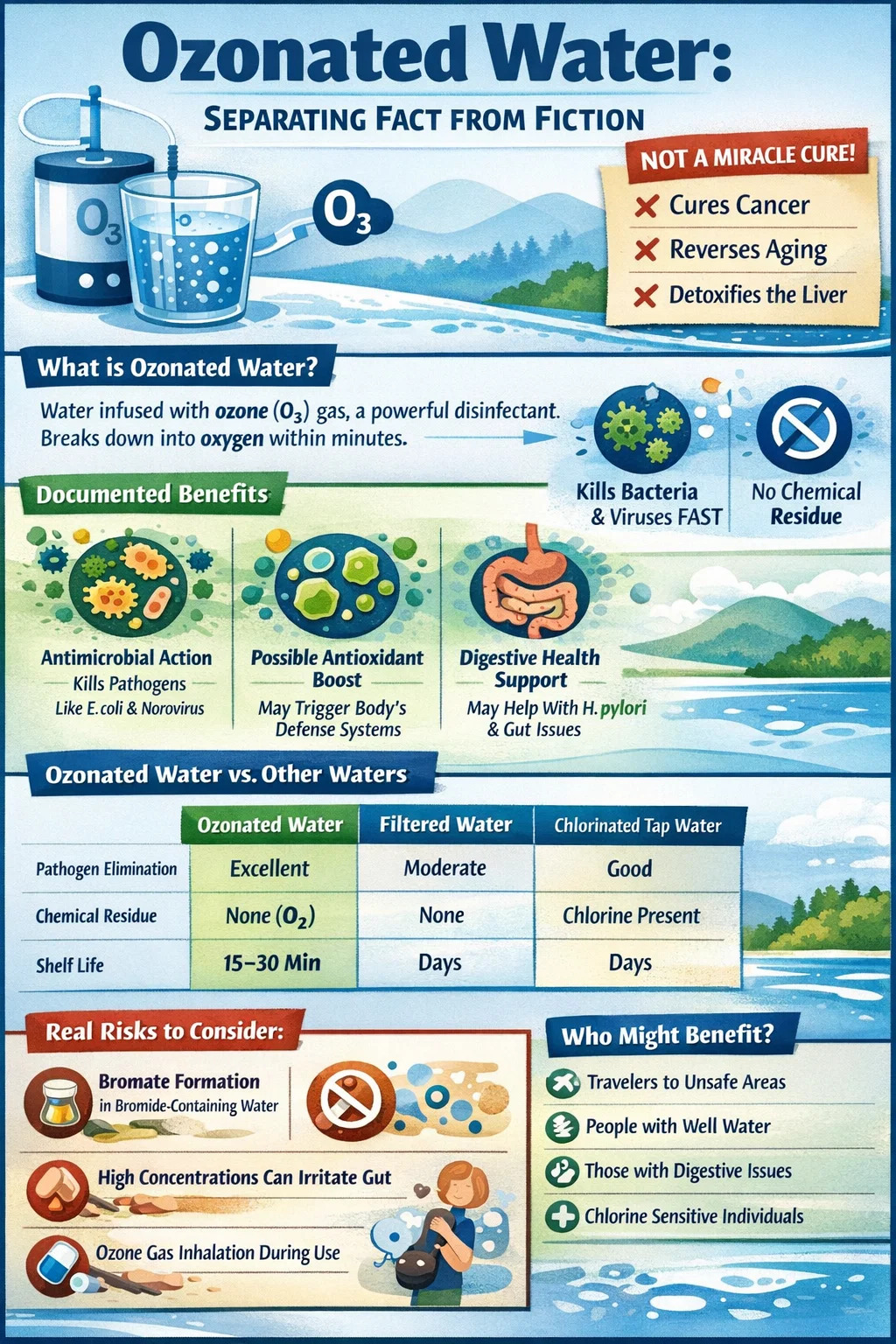
| Feature | Ozonated Water | Standard Filtered Water | Chlorinated Tap Water |
|---|---|---|---|
| Pathogen Elimination | Excellent | Moderate to Good | Good |
| Chemical Residue | None (converts to O₂) | None | Chlorine residue possible |
| Taste and Odor | Slightly metallic when fresh | Neutral | Chlorine taste common |
| Shelf Life After Treatment | 15–30 min (room temp) | Days to weeks | Days |
| Cost of Setup | Moderate to High | Low to Moderate | Very Low |
| Byproduct Risk | Bromate if bromide present | Minimal | Trihalomethanes possible |
Ozone water is not without risk, and dismissing these concerns would be irresponsible. The same oxidizing power that makes ozone effective against pathogens can cause harm in the wrong conditions.
When ozone reacts with naturally occurring bromide ions in water, it can produce bromate — a compound classified as a potential human carcinogen by the International Agency for Research on Cancer. The EPA has set a maximum contaminant level of 0.01 mg/L (10 ppb) for bromate in drinking water. If your water source contains bromide and you are using a high-output ozone generator without proper water quality testing, bromate formation is a legitimate concern.
Consuming ozonated water at concentrations significantly above what is used in commercial applications can irritate the lining of the stomach and intestines. Symptoms may include nausea, bloating, cramping, and diarrhea. This is more likely with poorly calibrated home ozone generators that produce water with ozone levels far exceeding safe drinking standards.
This is a risk that many people overlook. When operating a home ozone generator, ozone gas can escape into the air above the water. Inhaling even small amounts of ozone gas can irritate the lungs and airways. The EPA classifies ozone as a lung irritant at concentrations as low as 0.07 parts per million in air. Anyone using a home unit should ensure good ventilation and avoid breathing directly over the device during operation.
People with the following conditions should consult a doctor before drinking ozonated water regularly:
The internet is full of sweeping claims about ozone water curing cancer, reversing aging, detoxifying the liver, and alkalizing the blood. Almost none of these claims are backed by robust clinical evidence. Here is a realistic breakdown of where the science stands:
| Claimed Benefit | Evidence Level | Assessment |
|---|---|---|
| Kills bacteria and viruses in water | Strong — multiple peer-reviewed studies | Well supported |
| Stimulates antioxidant enzymes | Moderate — small clinical studies | Plausible, needs larger trials |
| Supports oral health | Moderate — multiple dental trials | Credible for rinse use |
| Cures or treats cancer | None credible | Not supported — avoid such claims |
| Alkalizes blood pH | None | Biologically implausible |
| Detoxifies the liver | Anecdotal only | No clinical data |
| Boosts immune system | Weak — ozone therapy research, not water specifically | Cannot extrapolate directly |
It is also worth distinguishing between ozone water and ozone therapy more broadly. Ozone therapy involves medical-grade ozone administered through methods such as intravenous injection, rectal insufflation, or autohemotherapy. This is a recognized medical practice in several European countries with a dedicated body of clinical research. Drinking ozone water is a much milder intervention and cannot be assumed to produce the same effects as these medical protocols.
If you want to incorporate ozone water into your daily routine responsibly, following some clear practical guidelines will minimize risk and maximize the actual benefits.
Not all home ozone generators are equal. Look for units that:
Ozone water works best as a final polishing step on water that has already been filtered to remove heavy metals, sediment, and organic compounds. Ozonating heavily contaminated water without pre-filtering it first can result in partial oxidation products that may be more harmful than the original contaminants. Start with filtered tap water, reverse osmosis water, or quality well water that has been tested for bromide content.
Drink ozonated water within 15 to 20 minutes of preparation at room temperature to ensure meaningful ozone content remains. If you are using it primarily for its antimicrobial properties to clean drinking water, even water that has been sitting for an hour or two after ozonation is safer than untreated source water, though the active ozone will have mostly converted to oxygen by that point.
There is no universally established recommended daily intake for ozonated water. Integrative medicine practitioners who use it therapeutically typically suggest starting with 100 to 200 mL per day at low concentrations (around 0.1 to 0.5 mg/L) and observing how your body responds over one to two weeks. Drinking multiple liters per day at high ozone concentrations is not recommended and has no established additional benefit.
Run your ozone generator in a well-ventilated area or near an open window. Avoid placing your face directly above the water while the unit is running. After preparation is complete, allow the room to air out briefly before continuing normal activities in the space.
Beyond personal health use, ozonated water has a well-established track record in commercial settings that helps contextualize its safety profile. Understanding where it is already trusted gives a grounded perspective on its real-world value.
This breadth of institutional use confirms that ozonated water is not a fringe health trend — it is a mature technology with decades of real-world validation. The difference between these applications and consumer home use lies mainly in quality control, concentration calibration, and source water testing.
Not everyone needs to drink ozonated water. For people with access to high-quality municipal water that already meets EPA standards, switching entirely to home-ozonated water offers marginal benefit and adds unnecessary complexity. However, certain groups may find genuine value in incorporating it selectively:
Ozonated water earns its place as a legitimate water treatment tool with real, documented benefits — primarily its exceptional ability to eliminate pathogens without leaving chemical residue. It also shows promising (though not yet definitive) evidence for supporting antioxidant defenses and oral health. Used at appropriate concentrations from a quality device and consumed fresh, it is safe for most healthy adults.
What it is not: a cure for serious illness, an alkalizer of blood pH, or a detox solution that replaces proper medical care. The marketing around ozone water tends to dramatically outpace the clinical evidence. Approaching it with clear-eyed expectations — a superior disinfection method, not a health revolution — is the most honest and useful way to evaluate whether it fits your life.
If you already drink clean, well-filtered water and maintain a healthy diet, the incremental benefit of switching to daily ozone water consumption is modest. If you deal with water quality concerns, travel frequently to areas with questionable water, or are looking for a chlorine-free disinfection approach, ozone water is worth the investment — provided you use it properly, test your water source, and maintain realistic expectations about what it can and cannot do for your health.
Your email address will not be published. Required fields are marked *
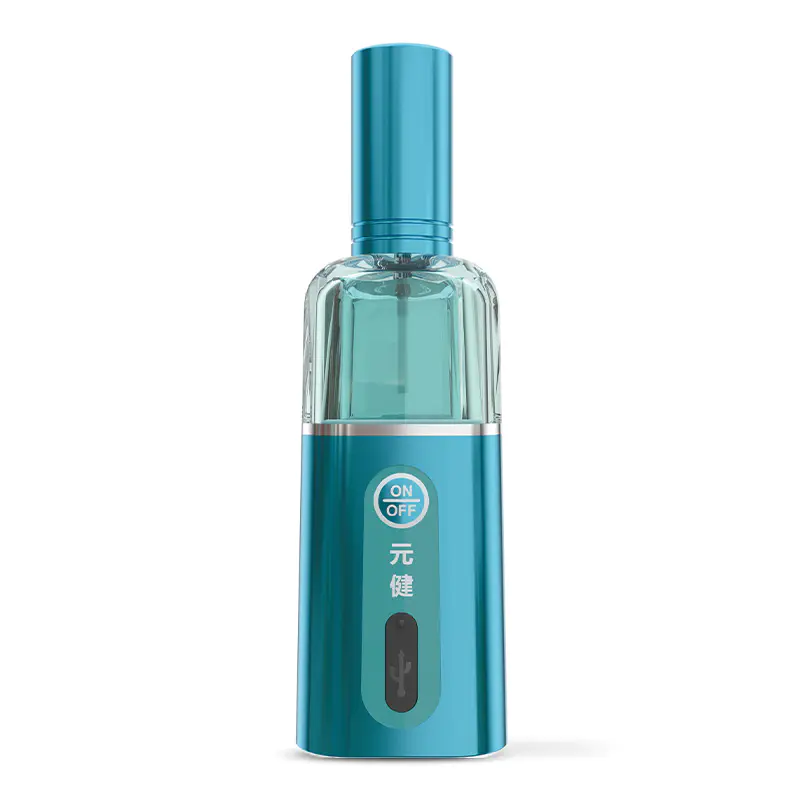
Protecting the oral cavity
Preventing bad breath
Oral recovery
Sterilization and disinfection

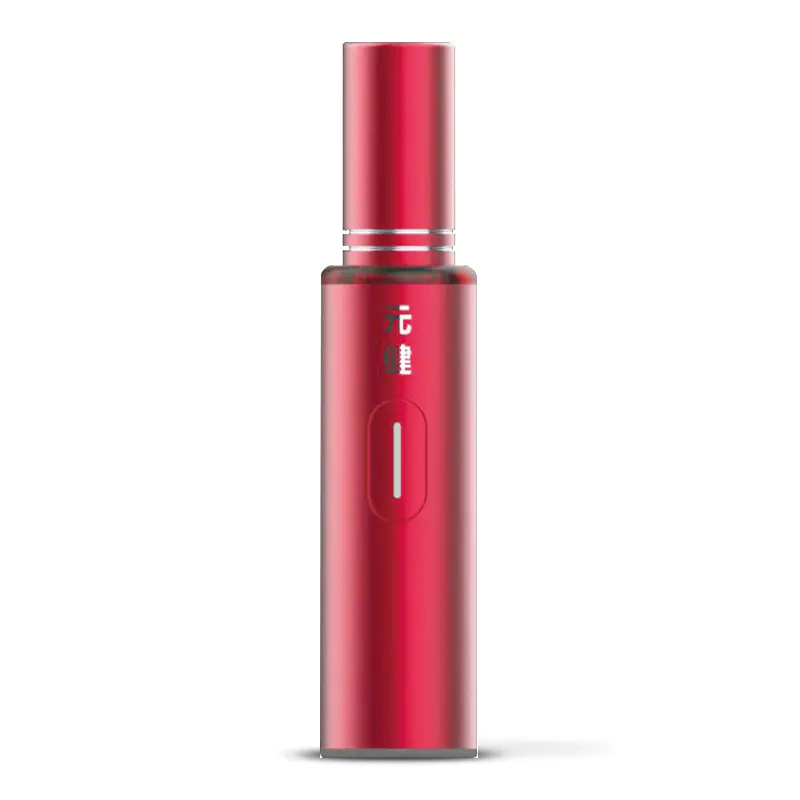
Smooth and clean face
Safe makeup removal
Suitable for sensitive skin
Activate cell activity

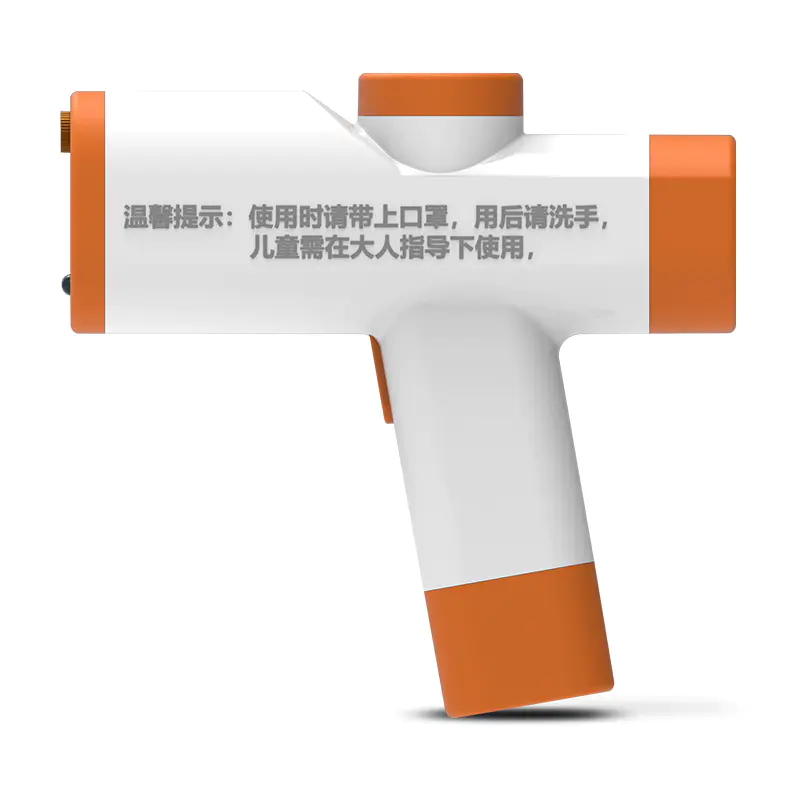
Sterilization
Disinfect
Sterilization
Disinfect

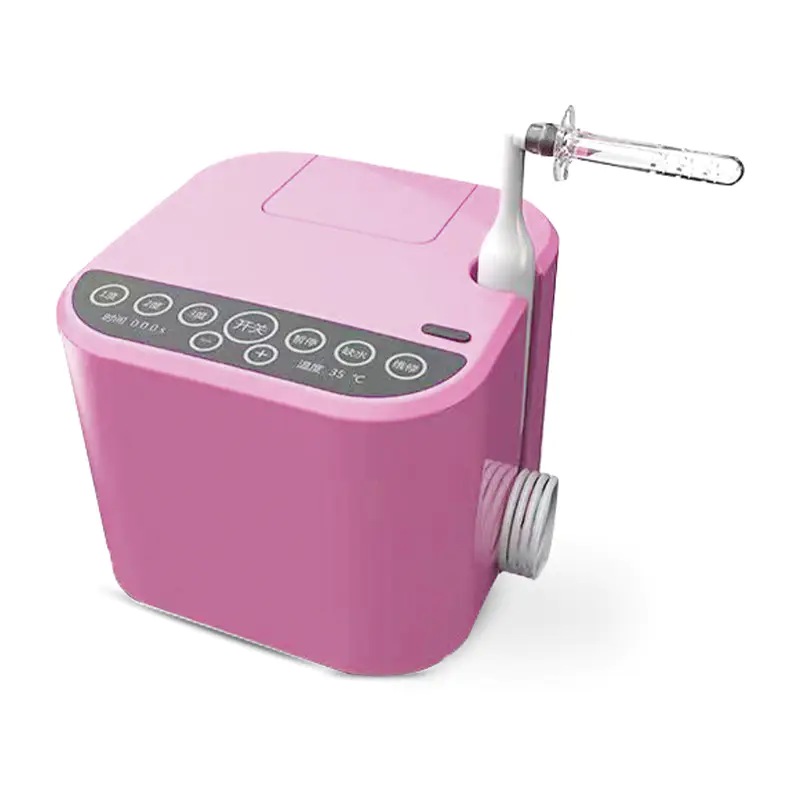
Sterilization and anti-inflammatory
Remove odors
Wound repair
Solve itching

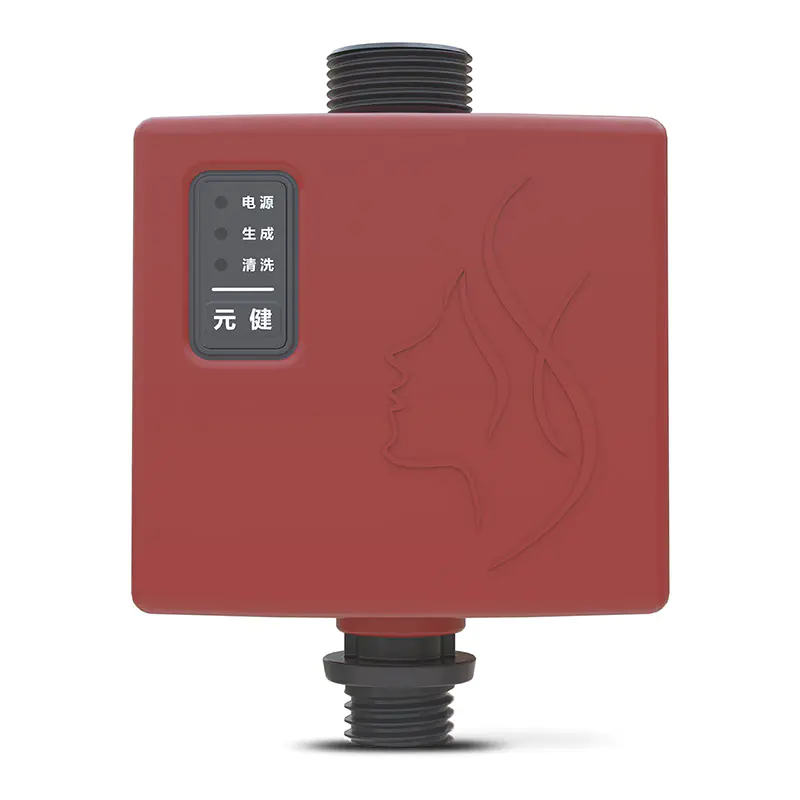
Fix pore issues
Solve itching
Smell remover
Degreasing
Pale yellow gas
Acne care
Suitable for sensitive muscles
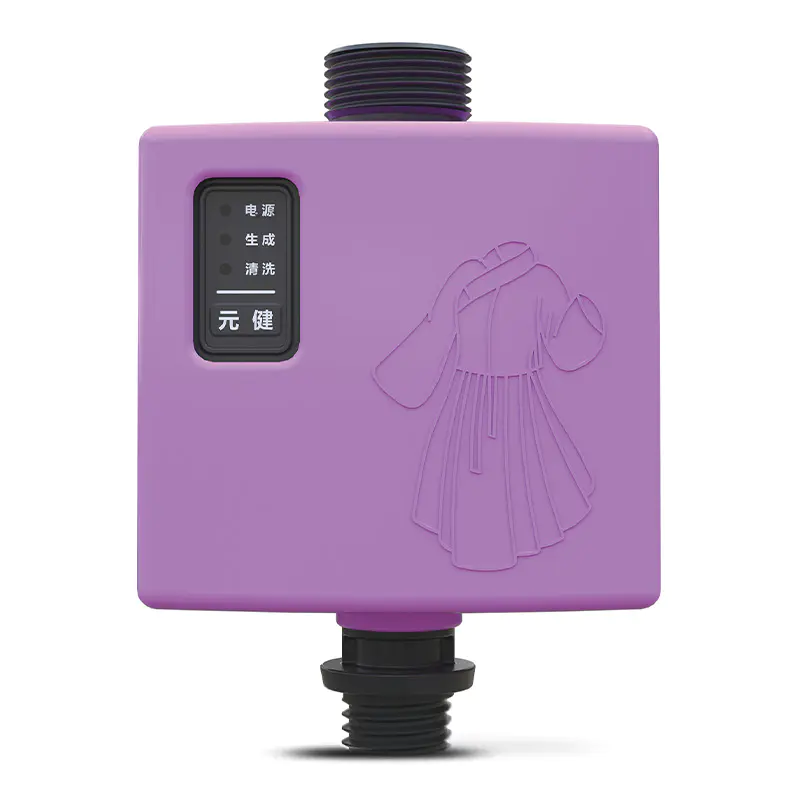
Shorter cycle
Natural flexibility
Effectively decompose oil stains
More Whiter
Extending the lifespan of clothing
Reduce ecological pollution

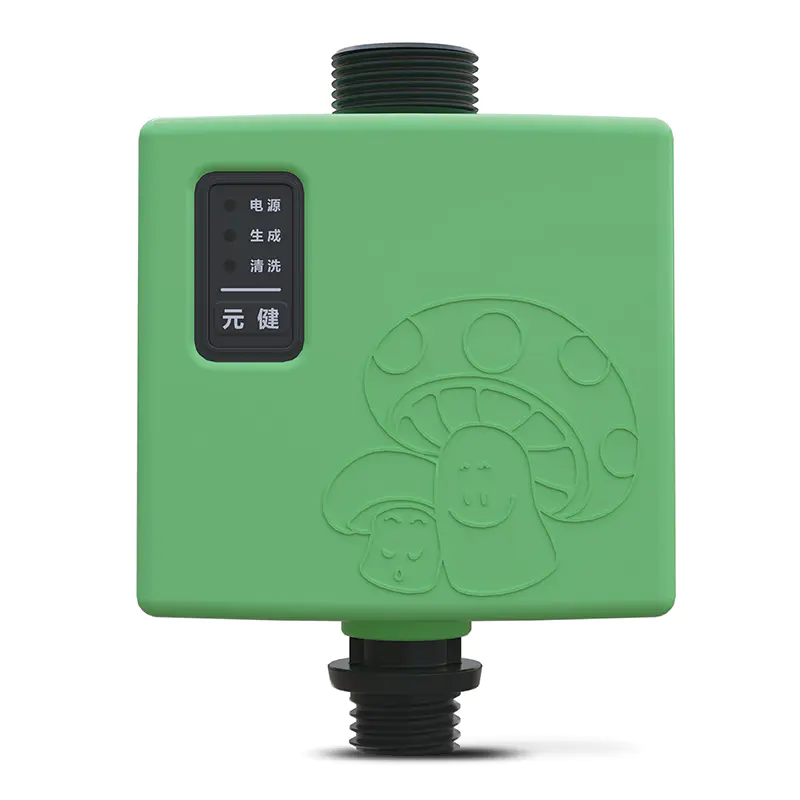
Fruit and vegetable cleaning
Meat cleaning
Grain cleaning
Tableware disinfection
Preservation
Deodorization

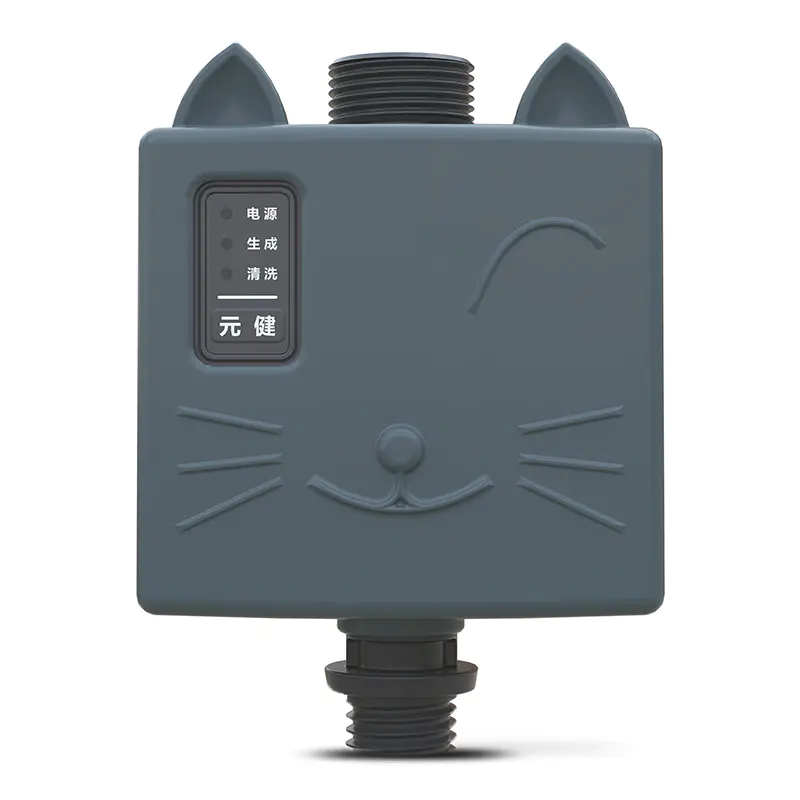
Smell remover
Preventing and alleviating skin diseases
sterilization

If you are interested in our products, please consult us
Copyright © 2023 Ningbo Hengqi Health Technology Co, Ltd. All Rights Reserved wholesale Ozone Water Sprayer Equipment Manufacturers OEM/ODM Ozone Water Purifier Factory