


 cn
cn English

Product Consultation
Your email address will not be published. Required fields are marked *
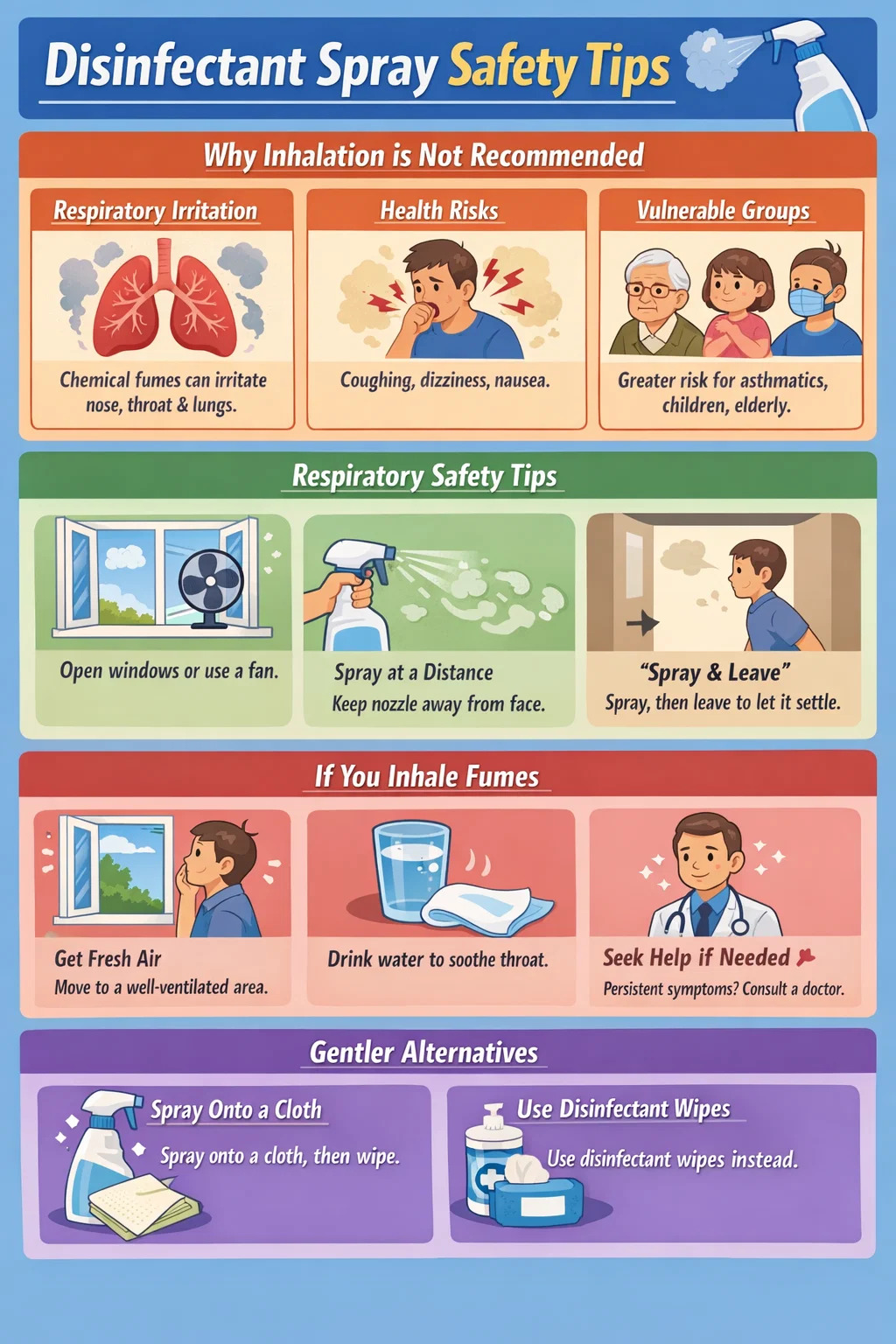
Although disinfectant spray is a helpful cleaning aid at home, directly inhaling its fumes or spray particles is not a good idea.
Content
Respiratory irritation: Most disinfectant sprays contain alcohol, chlorine (a component of bleach), or quaternary ammonium salts. While these chemicals kill germs, they can also irritate the mucous membranes of our nose, throat, and lungs.
Causes discomfort: If sprayed in large quantities in a poorly ventilated small space, inhaling too much of the mist can lead to coughing, dry throat, dizziness, or even nausea.
Risks for vulnerable individuals: For people with asthma, allergic rhinitis, or sensitive respiratory systems (including the elderly and children), inhaling these fumes is more likely to trigger breathing difficulties or allergic reactions.
Ensure good ventilation: This is the most important point. When using disinfectant spray, it's best to open windows or doors, or turn on a ventilation fan, to allow fresh air in and carry away the chemical fumes.
Maintain a safe spraying distance: Extend your arm when spraying, keeping the nozzle away from your face. Do not spray into the wind, to prevent fine mist droplets from being blown directly onto your face.
"Spray and leave": If you are spraying a large area in a confined space such as a bathroom or storage room, it's best to leave the room immediately after spraying, close the door, and wait about ten minutes for the spray to settle and complete its disinfectant action before returning.
Immediately change your environment: If you feel a burning sensation in your nose, want to cough, or feel dizzy while spraying, immediately put down the bottle and go to a balcony or window to breathe fresh air.
Drink plenty of water: Drinking warm water can help relieve dryness and irritation in the throat.
Observe symptoms: Most mild irritation will disappear quickly after leaving the area. However, if coughing persists or you experience shortness of breath, it is recommended to seek professional medical advice.
If you are very sensitive to the smell of the spray, you can try the following methods:
"Spray onto a cloth and wipe": Instead of spraying directly onto the object's surface, spray the disinfectant spray onto a cloth and then wipe the object. This can significantly reduce the number of airborne droplets.
Use disinfectant wipes: Wipes do not produce the fine particles that sprays do, and are much less irritating to the respiratory tract.
How long should I let disinfectant spray sit? Let's find out.
2025-12-29
Can a virus be killed by disinfectant spray?
2026-01-12Your email address will not be published. Required fields are marked *
Protecting the oral cavity
Preventing bad breath
Oral recovery
Sterilization and disinfection

Smooth and clean face
Safe makeup removal
Suitable for sensitive skin
Activate cell activity

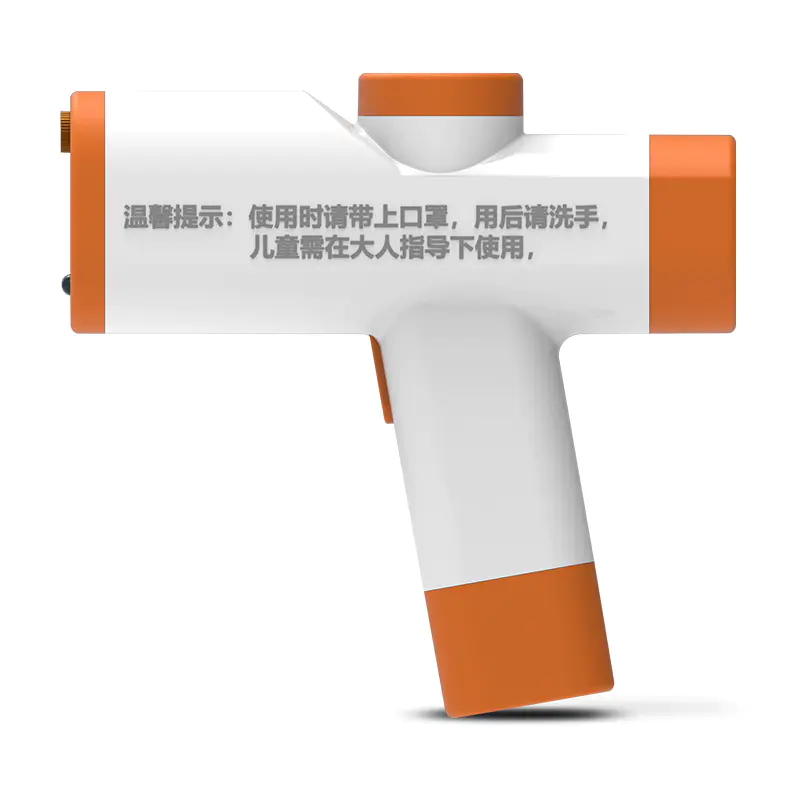
Sterilization
Disinfect
Sterilization
Disinfect

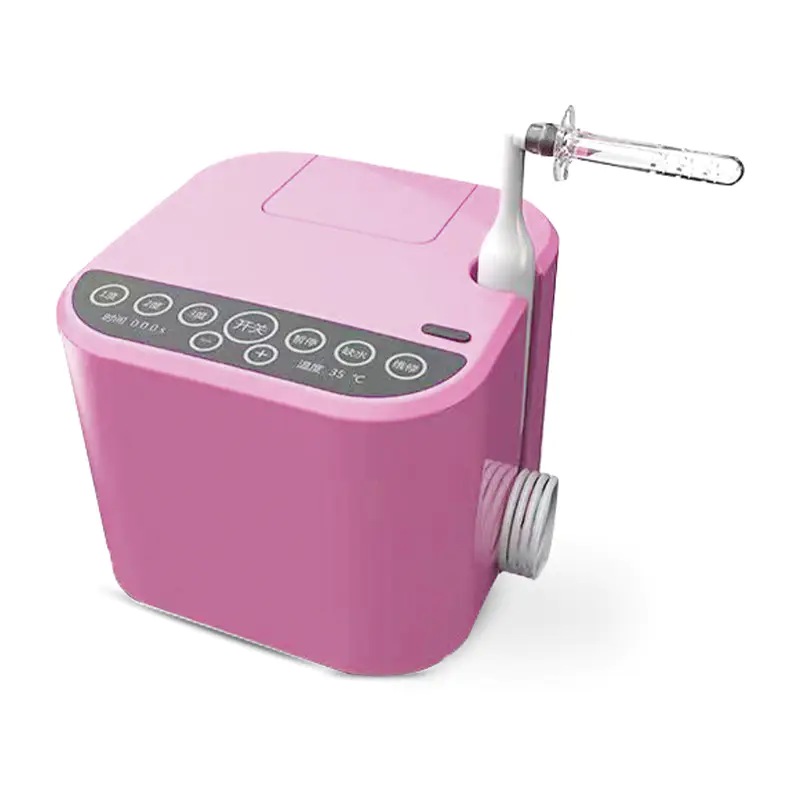
Sterilization and anti-inflammatory
Remove odors
Wound repair
Solve itching

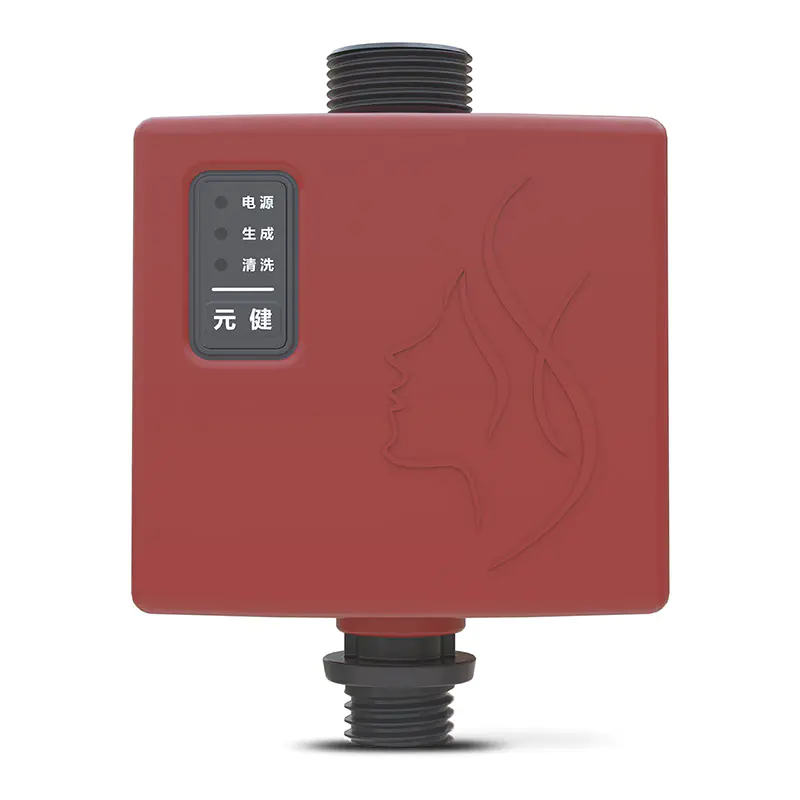
Fix pore issues
Solve itching
Smell remover
Degreasing
Pale yellow gas
Acne care
Suitable for sensitive muscles
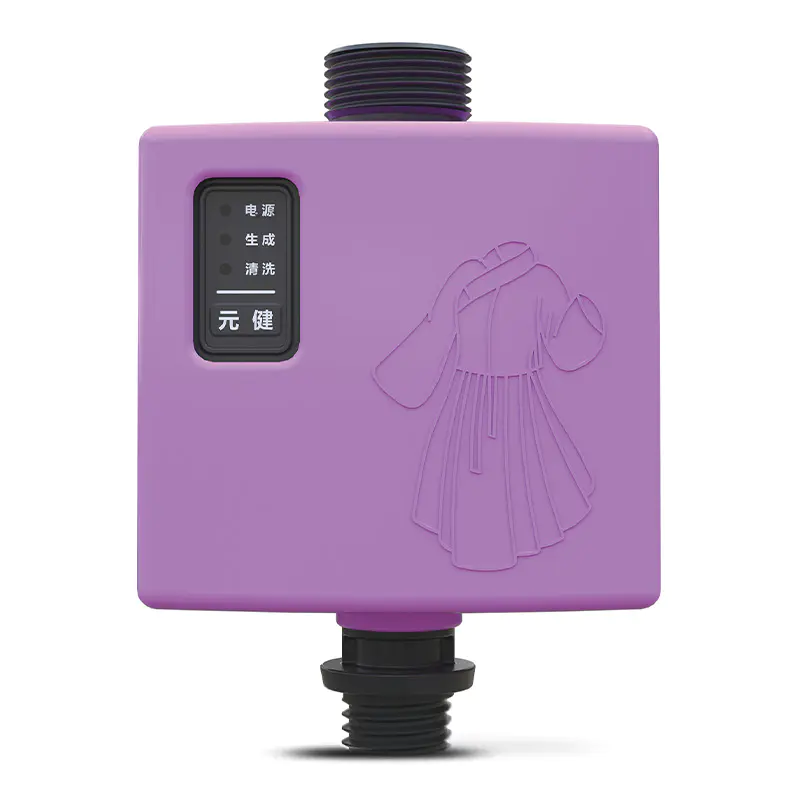
Shorter cycle
Natural flexibility
Effectively decompose oil stains
More Whiter
Extending the lifespan of clothing
Reduce ecological pollution

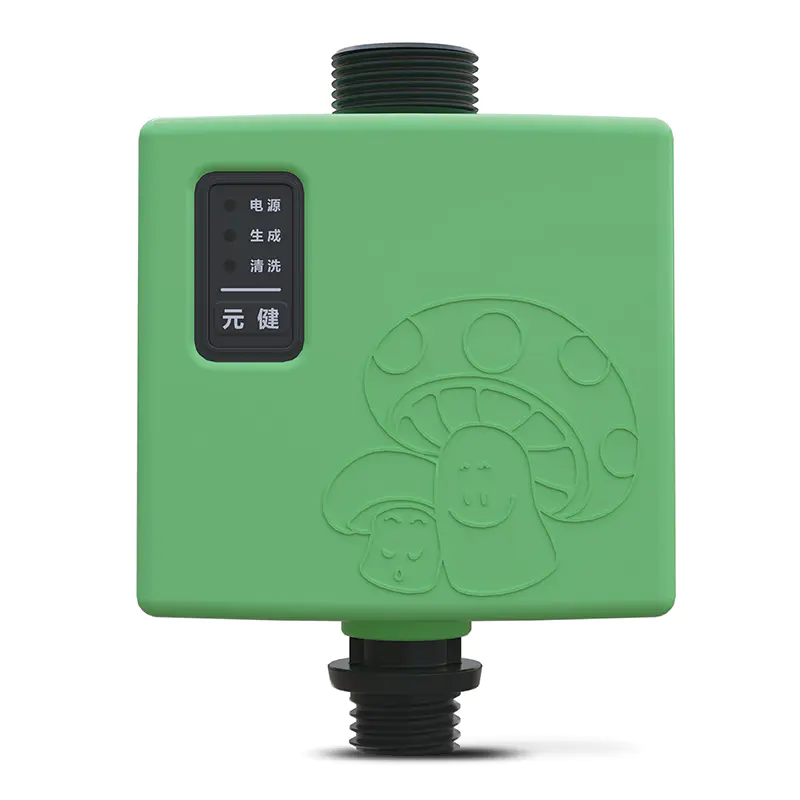
Fruit and vegetable cleaning
Meat cleaning
Grain cleaning
Tableware disinfection
Preservation
Deodorization

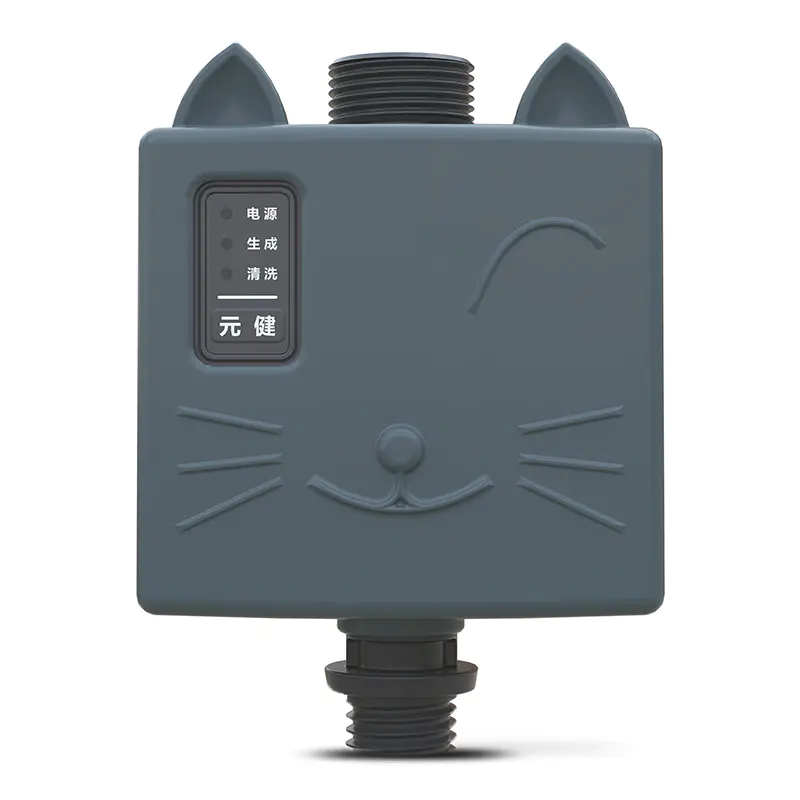
Smell remover
Preventing and alleviating skin diseases
sterilization

If you are interested in our products, please consult us
Copyright © 2023 Ningbo Hengqi Health Technology Co, Ltd. All Rights Reserved wholesale Ozone Water Sprayer Equipment Manufacturers OEM/ODM Ozone Water Purifier Factory